5 Mistakes to Avoid When Buying PVC Cables for Your Next Project
A buyer’s guide to spotting cheap materials, ensuring safety compliance, and securing reliable power transmission solutions.

Avoid costly electrical failures by understanding what makes a reliable PVC sheath cable. This guide reveals the top five mistakes buyers make, from ignoring thermal environments and safety standards to falling for cheap copper-clad aluminum (CCA) traps. Learn why proper factory testing and secure ocean packaging are crucial to ensure safe, long-lasting power transmission solutions for your next project.
Whether you are upgrading a property's electrical system, managing a local construction project, or exploring reliable power transmission solutions for heavy-duty equipment, every electrical cable you choose matters. A wide range of wiring—from standard building wire to heavy underground lines—relies on a pvc sheath.
The outer jacket is made of polyvinyl chloride (PVC). This durable pvc polyvinyl chloride material acts as the primary shield against water, physical bumps, and everyday wear and tear in both residential and commercial settings.
However, many buyers fall into hidden traps when shopping for cables. Picking a product just because it has the lowest price tag can lead to frustrating power issues, hidden safety risks, and the hassle of replacing a broken cable much sooner than expected.
To help you make a smart, safe, and long-lasting choice, here are five common mistakes to avoid when buying cables, along with simple tips to get it right.

Mistake #1: Forgetting Where the Cable Will Live
A standard PVC jacket is great for normal indoor conditions (usually between -15°C and +70°C). But one of the biggest mistakes buyers make is ignoring the specific environment where the cable will actually be installed.
- Freezing and Baking: If you live in an area with harsh winters, standard PVC can become stiff and brittle in freezing temperatures, causing it to crack when you try to bend it. On the flip side, extreme summer heat can make standard PVC soft and weak. If your project is outdoors, make sure to ask for cables rated for higher heat (like 90°C) or formulated for cold weather.
- Sunlight and Chemicals: Cables left exposed to direct sunlight will slowly break down due to UV rays unless the jacket is specially treated. The same goes for garages, farms, or any industrial application where oils and chemicals might spill. Always check if the cable offers high chemical resistance and UV protection before running it exposed outside.
Mistake #2: Ignoring Safety and Testing Standards
When trying to stick to a budget, it is easy to just click "buy" on a cheap cable online without checking its safety credentials. Using uncertified cables is a major safety hazard for your property.
Instead of looking for marketing buzzwords, look for actual fire-safety compliance. If you look up the material on Wikipedia, the free encyclopedia, you will find that PVC inherently resists catching fire easily due to its chlorine content. However, for true safety in a building, you must ensure the manufacturer explicitly rates the cable as flame retardant. Always verify that the cables you buy meet recognized international standards (like those set by the International Electrotechnical Commission - IEC or CE marks) to ensure they are safe for your home or business.
Mistake #3: Falling for the "Cheap Copper" Trap
Cable prices go up and down based on the cost of raw copper and plastic. If you find a cable that is drastically cheaper than everything else on the market, the manufacturer has likely cut corners on the materials inside.
- The Fake Copper Trick (CCA): To save money, some sellers use Copper Clad Aluminum (CCA) instead of pure copper. CCA is just aluminum wire painted with a thin layer of copper. Because aluminum doesn't conduct electricity as well, CCA cables get hotter and result in lower power efficiency. For safe, long-lasting wiring, always insist on 99.9% pure copper conductors.
- Paper-Thin Plastic Jackets: Another way factories save money is by making the outer PVC jacket thinner than the standard requirement. A thin jacket might look fine out of the box, but it will easily tear or scrape when you pull it through walls, leaving the live wires exposed.
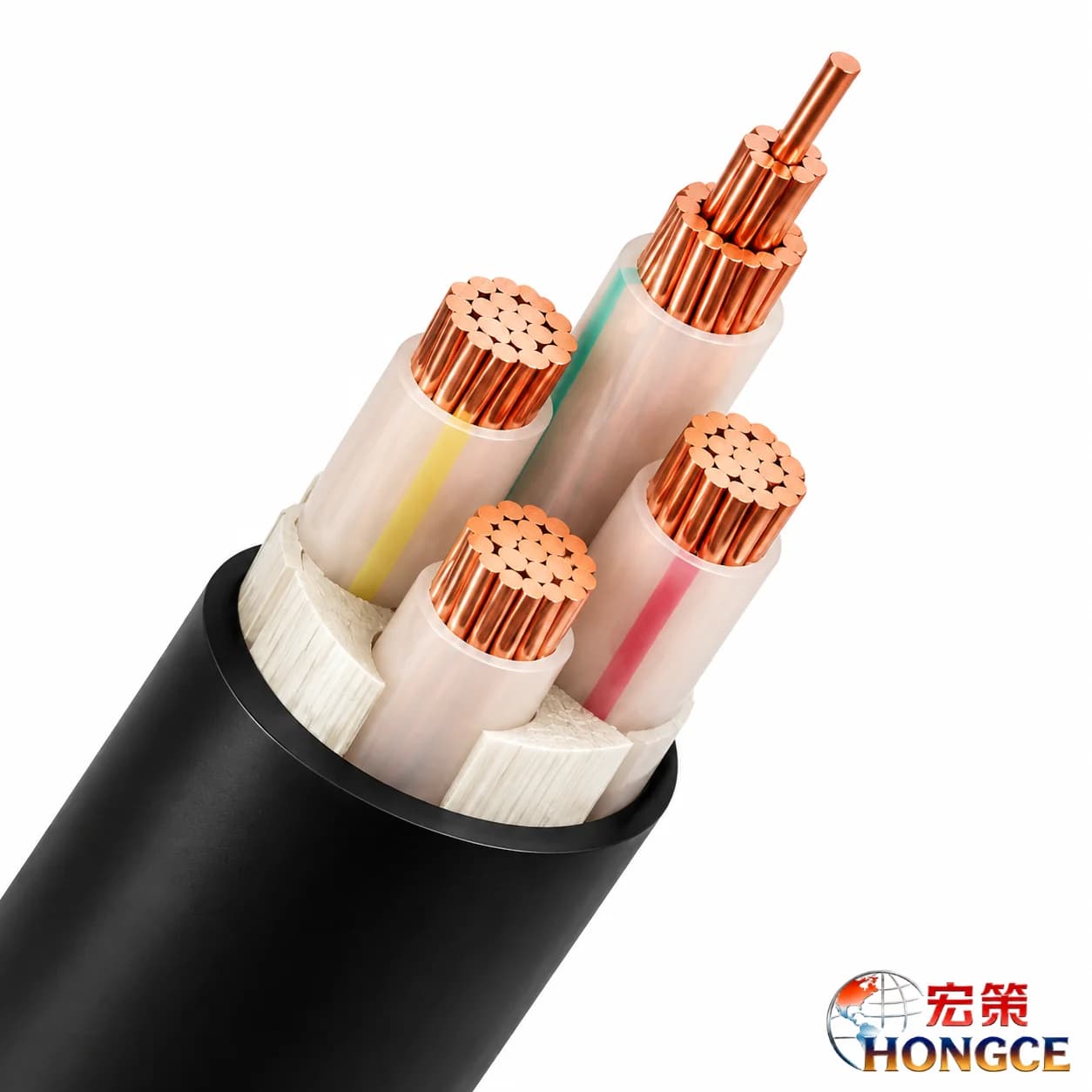
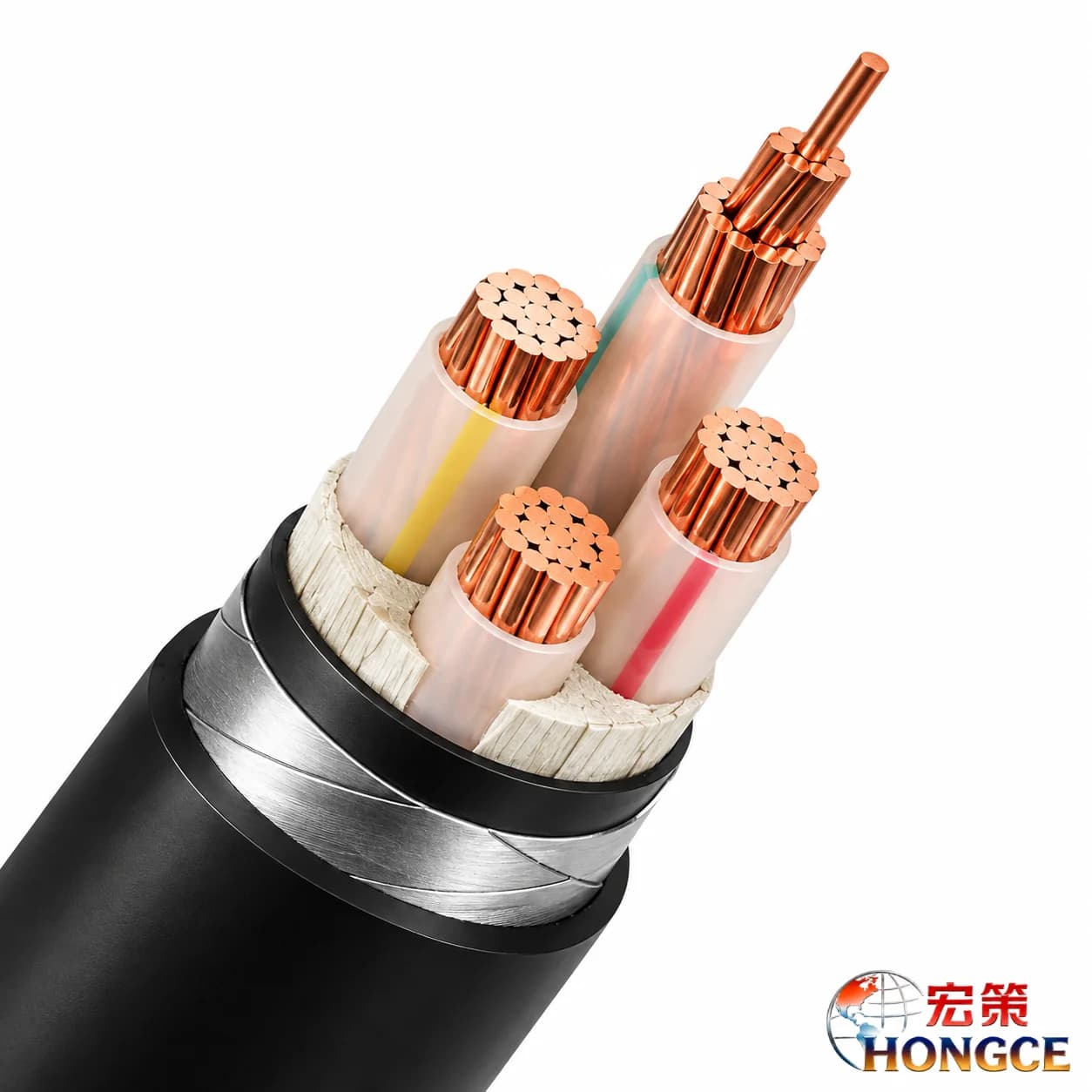
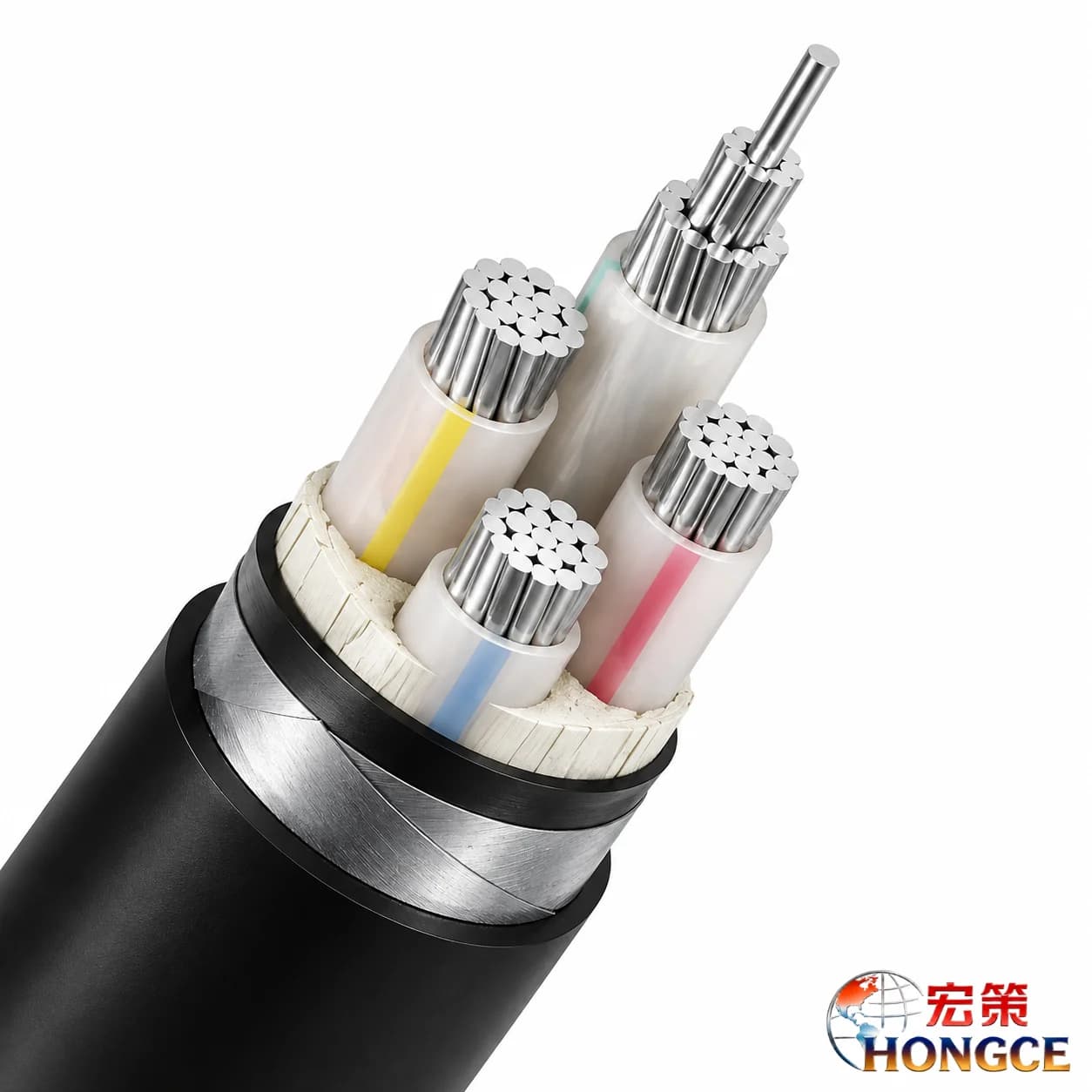
To give you an idea of what professional, fully-specced cables look like, here is a quick breakdown of the materials used in higher-end wiring:
Professional-Grade Cable Specifications
Feature | |||
Inside Wire | Pure Copper Conductors | Pure Copper Conductors | High-Grade Aluminum Alloy |
Insulation Material | XLPE (cross linked polyethylene) | XLPE (cross linked polyethylene) | XLPE (cross linked polyethylene) |
Physical Protection | Standard unarmored | Double Steel Tape (Crush-proof) | Double Steel Tape (Crush-proof) |
Outer Jacket | Thick, Extruded PVC Sheath | Thick, Extruded PVC Sheath | Thick, Extruded PVC Sheath |
Heat Tolerance | Up to 90°C safely | Up to 90°C safely | Up to 90°C safely |
Safety Compliance | Flame retardant tested | Flame retardant tested | Flame retardant tested |
Mistake #4: Buying from Sellers Who Don't Test Their Products
Many online sellers are just middlemen who buy cheap cables in bulk and resell them without ever checking the quality. A reliable manufacturer will test their cables during every step of the process.
For example, high-quality factories use "spark testing." As the cable is being made, it runs through a high-voltage machine that instantly detects even a microscopic pinhole in the plastic jacket. If you are buying a large amount of wire for serious power transmission, don't be afraid to ask the supplier how they test their products before shipping.
Mistake #5: Overlooking How the Cable is Packed and Shipped

If you are ordering heavy-duty cables for industrial power distribution, how they are packed is just as important as how they are made. A great cable can be ruined if it is crushed in transit.
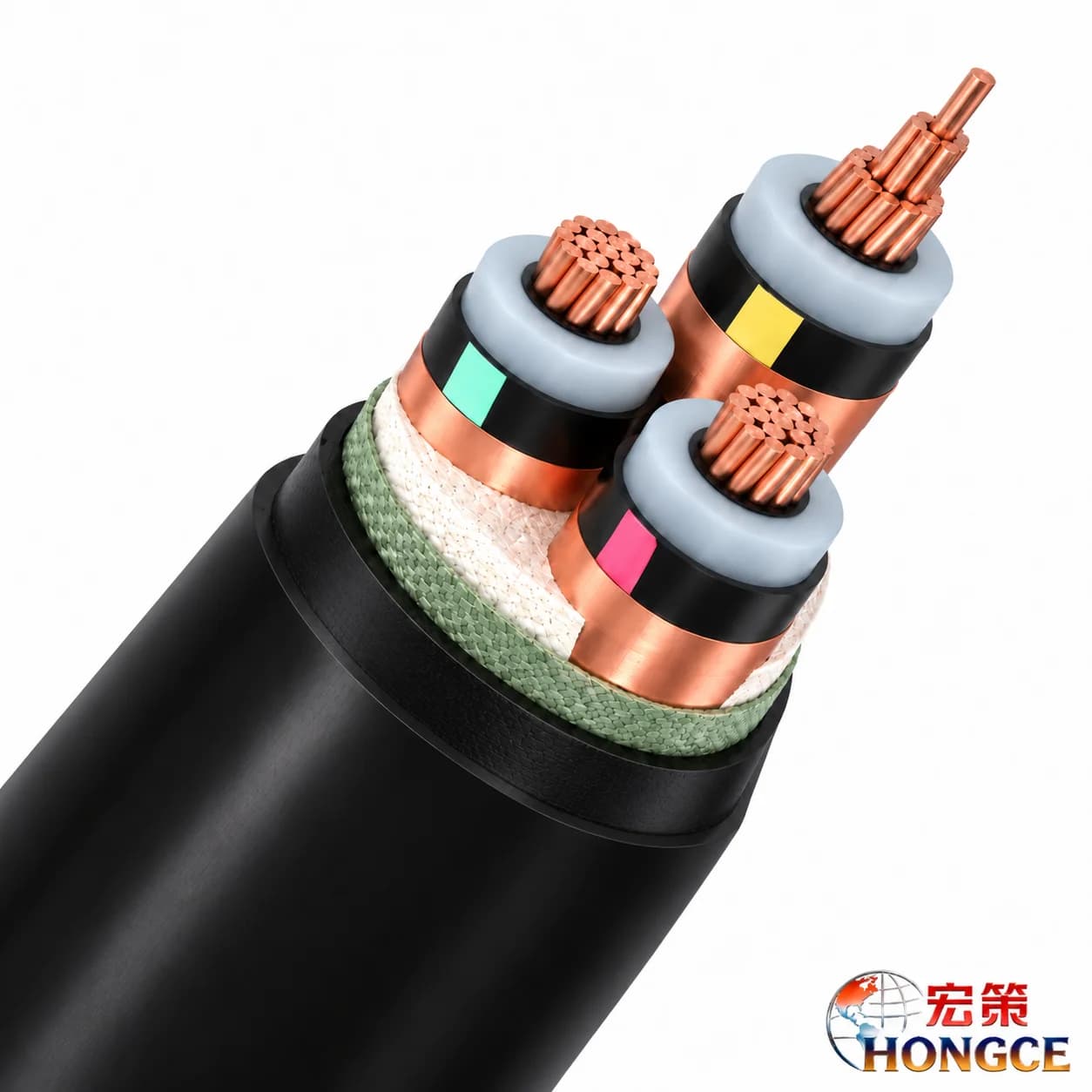
Recently, Hongce Cables handled a major export order of heavy YJV 8.7/15KV 3*150 cables for a client in Malaysia. Initially, the trading partner suggested using standard wooden spools to save on shipping costs.
However, based on our experience with international shipping, we knew that standard wood absorbs moisture in the humid sea air. Over a 45-day ocean voyage, the heavy weight of the stacked cables would have caused normal wooden spools to collapse, completely crushing the PVC jackets of the cables at the bottom.
Instead, we used heat-treated, steel-reinforced wooden drums wrapped in a waterproof lining. Because of this careful packaging, the cables easily survived the heavy stacking pressure and arrived at the Malaysian port 45 days later in flawless, ready-to-use condition. The lesson? Make sure your supplier cares enough to pack your purchase securely.
Getting your wiring right the first time saves money, prevents safety hazards, and gives you peace of mind. By paying attention to the environment, insisting on pure copper, checking for safety standards, and choosing a supplier that carefully tests and packages their products, you will ensure your project runs smoothly for years to come.
If you need reliable, professional-grade cables that meet strict safety requirements, exploring the catalog at Hongce Cables is a great place to start.
About the Author
Liangce Chi currently serves as Southeast Asia Market Analyst at Zhejiang Hongce Cable Co., Ltd. His work involves in-depth research covering power infrastructure construction across Southeast Asia, price trends of bulk commodities, and cross-border cable trade compliance. Combining insights from macroeconomic data with extensive hands-on cross-border trade experience, Liangce Chi goes beyond theoretical research and conducts on-site assessments of industrial manufacturing investment climates in Thailand, Vietnam, Indonesia and other Southeast Asian markets. Drawing on his professional work, he secured bulk orders from well-established Thai enterprises for Zhejiang Hongce Cable. This landmark achievement has laid a solid quantitative foundation for the company to further expand its market share of industrial building support cables in Thailand and the broader Southeast Asian region.