How to Verify 99.95% Oxygen-Free Copper in Bulk Cable Sourcing
Five engineering checks — DC resistance, OES spectrometry, elongation, microscopy, and weight — that procurement teams use to confirm OFC purity before shipment.
Avoid dangerous cable failures in data centers and renewable energy projects by verifying 99.95% pure OFC. This guide details 5 essential quality checks for bulk cable sourcing, including DC resistance and spectrometry. Learn to spot inferior standard copper and CCA to protect your infrastructure investments. Ensure your electrical systems run safely with these expert B2B procurement strategies.
When you are sourcing electrical cables in bulk for large-scale infrastructure projects, knowing exactly how to verify pure oxygen-free copper (OFC) is the most critical skill to ensure grid safety and operational longevity. This article breaks down the 5 engineering checks procurement managers and EPC contractors must use to authenticate copper purity and avoid dangerous, low-cost substitutes like standard Electrolytic Tough Pitch (ETP) copper or Copper-Clad Aluminum (CCA). At Zhejiang Hongce Cable Co., Ltd., our 20 years of manufacturing rely exclusively on the strict use of 99.95% pure Oxygen-Free Copper (OFC). To ensure you are receiving the exact high-purity conductors you paid for in your next bulk order, rely on these five objective verification methods.
The High Stakes of Bulk Cable Sourcing
The global shift toward modernized energy grids, coupled with the rapid growth of hyperscale data centers and renewable energy installations, has triggered an unprecedented demand for industrial cables. In regions undergoing rapid infrastructure expansion, EPC (Engineering, Procurement, and Construction) contractors face immense pressure to balance budgets with stringent technical specifications.
But the conductor is what determines whether the cable lasts. It dictates electrical efficiency, heat dissipation, and mechanical durability. Unfortunately, the global supply chain is fraught with manufacturers who cut corners by utilizing impure recycled copper, standard ETP copper with high oxygen content, or deceptive CCA (Copper-Clad Aluminum) disguised as pure copper.
For critical applications—such as high-voltage underground transmission, solar photovoltaic (PV) arrays, and industrial motor controls—compromising on copper purity can lead to catastrophic system failures, fires, and massive financial liabilities. Understanding the science behind Oxygen-Free Copper and how to verify it is non-negotiable for today's electrical engineers and procurement specialists.
The Science of 99.95% Oxygen-Free Copper (OFC)
First, the chemistry that makes OFC superior. Oxygen-Free Copper is produced by melting and casting copper under a controlled, reducing atmosphere (usually a vacuum or inert gas environment) to prevent oxygen absorption.
According to international metallurgical classifications, true OFC contains a minimum of 99.95% copper and a maximum oxygen content of 0.001% (10 parts per million or PPM).
What does pure OFC actually do for the cable?
- Hydrogen Embrittlement Prevention: When standard copper (which contains higher oxygen levels) is exposed to reducing gases at high temperatures, the oxygen reacts with hydrogen to form water vapor inside the metal matrix. This causes microscopic cracks and catastrophic brittleness—a phenomenon known as hydrogen embrittlement. OFC is immune to this, making it ideal for extreme industrial environments.
- Superior Conductivity: The absence of impurities allows electrons to flow with minimal resistance. This reduces power loss over long distances, which is critical for utility-scale grid interconnectivity.
- Enhanced Ductility: High-purity copper can be drawn into exceptionally fine wires and subjected to repeated mechanical stress without breaking, ensuring structural integrity during complex installations.
Here's how each verification check works in practice.
DC Resistance Measurement (The Ultimate Standard)
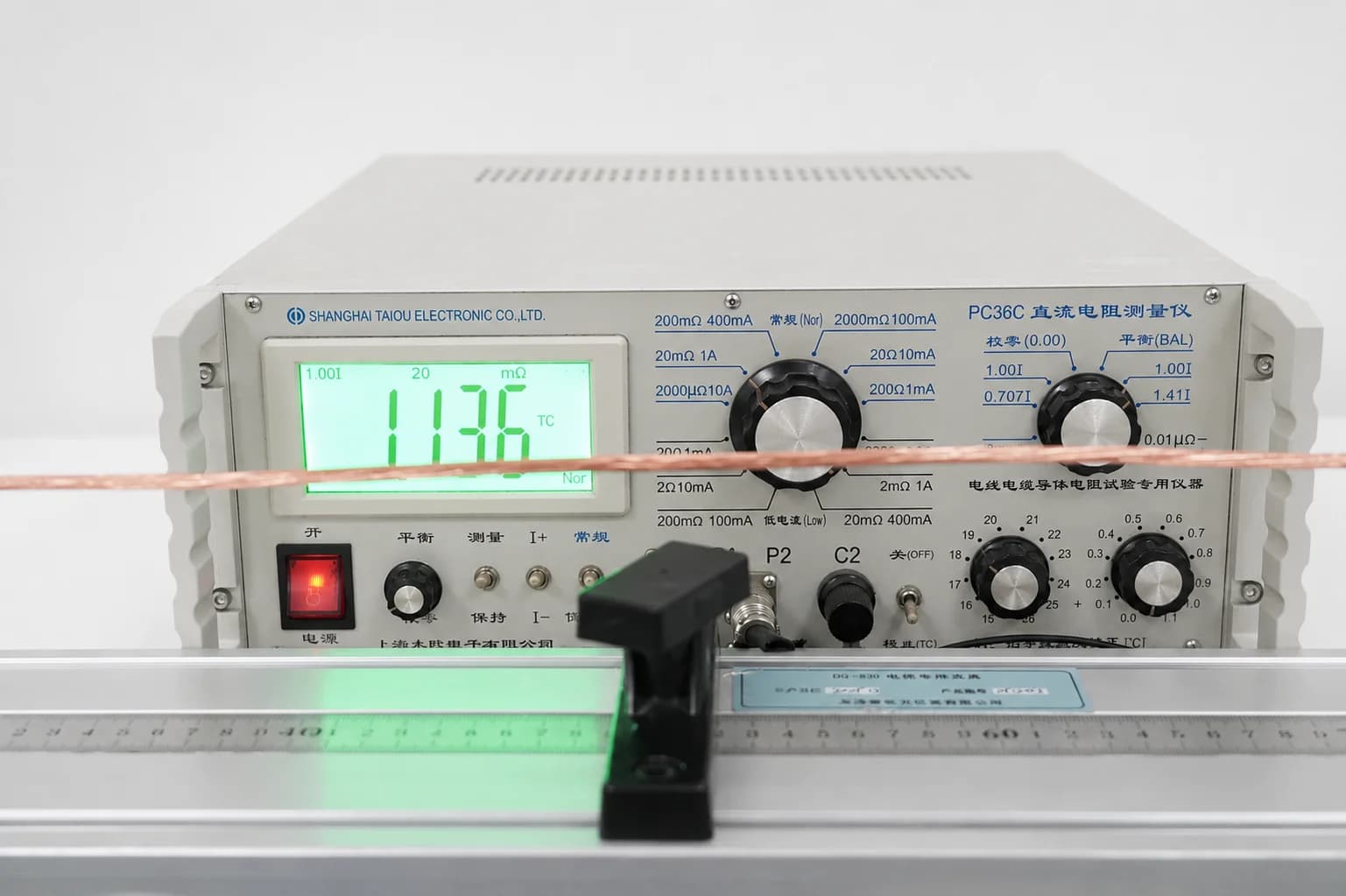
The most foolproof way to verify copper purity is by testing its electrical conductivity. Impurities like oxygen, iron, sulfur, and phosphorus act as physical barriers to electron flow, thereby significantly increasing electrical resistance.
In our 2026 Q1 shipment of YJV22 to a Surabaya port project, every reel passed Kelvin four-terminal DC resistance testing at 9.4 mΩ/100m for 240mm² conductors before the spools left our extrusion line. Three reels came in 0.4 mΩ above spec on the first pass. We traced the variance to one upstream rod batch (UM-2603-08) that had drifted to 99.91% purity instead of the contracted 99.95%. The reels went back to the drawing line; the shipment held to the original delivery date.
How the Test is Conducted
When testing a cable sample, engineers use a precision micro-ohmmeter (often employing the Kelvin four-terminal sensing method to eliminate contact resistance) to measure the Direct Current (DC) resistance of the conductor at a standardized ambient temperature, usually 20°C.
Analyzing the Results
If you are purchasing cables built to international standards, the measured resistance must comply with the maximum allowable values. For instance, 99.95% pure OFC will easily meet or exceed the rigorous conductor resistance standards set by international regulatory bodies for both solid (Class 1), stranded (Class 2), and flexible (Class 5) conductors.
If the electrical resistance is higher than the standard dictates for a specific cross-sectional area (e.g., a 240mm² XLPE insulated cable), it indicates one of three things:
- The manufacturer used lower-grade or highly oxidized copper.
- The manufacturer deliberately reduced the cross-sectional area (undersizing).
- The conductor is actually CCA.
At Hongce Cable, every batch of our conductors undergoes automated DC resistance testing before it proceeds to the insulation extrusion phase, ensuring absolute compliance with global benchmarks.
Optical Emission Spectrometry (OES) Analysis
While electrical tests confirm conductivity, chemical composition tests reveal the exact elemental makeup of the metal. You cannot visually determine if copper is 99% pure or 99.95% pure, but heavy machinery can.
The Role of OES in Quality Control
In advanced manufacturing facilities, Optical Emission Spectrometry (OES) is used to analyze the elemental composition of the copper rod before drawing. The OES machine vaporizes a tiny sample of the metal using an electrical spark. The emitted light is then analyzed by a spectrometer, which identifies the precise concentration of copper and trace impurities.
Standard Benchmarks
True Oxygen-Free Copper (such as C10200 or ASTM B170 Grade 1) must definitively prove a copper content of at least 99.95%, with oxygen levels strictly restricted to less than 10 PPM. Standard ETP copper often contains up to 400 PPM of oxygen.
When conducting bulk sourcing, you should ask your supplier to provide real-time or batch-specific OES material composition reports. A reputable manufacturer will have these reports readily available from their internal laboratory.
Elongation and Tensile Strength Testing
Mechanical integrity is just as important as electrical performance. Pure OFC is inherently more ductile and flexible than lower-grade copper or CCA. This flexibility is crucial for underground installations, tight conduit pulls, marine applications, and industrial machinery where cables undergo severe mechanical stress and vibration.
Executing the Elongation Test
A standard elongation test involves securing a predetermined length of the bare copper wire into a universal testing machine. The machine stretches the wire at a constant rate until it fractures. The percentage of stretching before breakage determines the elongation rate.
What the Results Mean
Because Zhejiang Hongce Cable Co., Ltd. exclusively uses 99.95% pure OFC, our conductors exhibit superior elongation rates—often exceeding 25% to 30% for annealed copper wires—and exceptional tensile strength.
If a wire snaps prematurely or exhibits a brittle fracture, it is a major red flag indicating high oxygen content, excessive impurities, or the use of poorly processed recycled scrap copper. Brittle cables are a nightmare for EPC contractors, as they are prone to hidden internal breakages during installation, leading to localized heating and potential arc faults.
Cross-Sectional Visual and Microscopic Inspection
Sometimes, direct physical inspection can immediately expose a counterfeit or subpar product. While visual checks are not as precise as spectrometry, they are an essential first line of defense for on-site engineers.
The Color and Luster Test
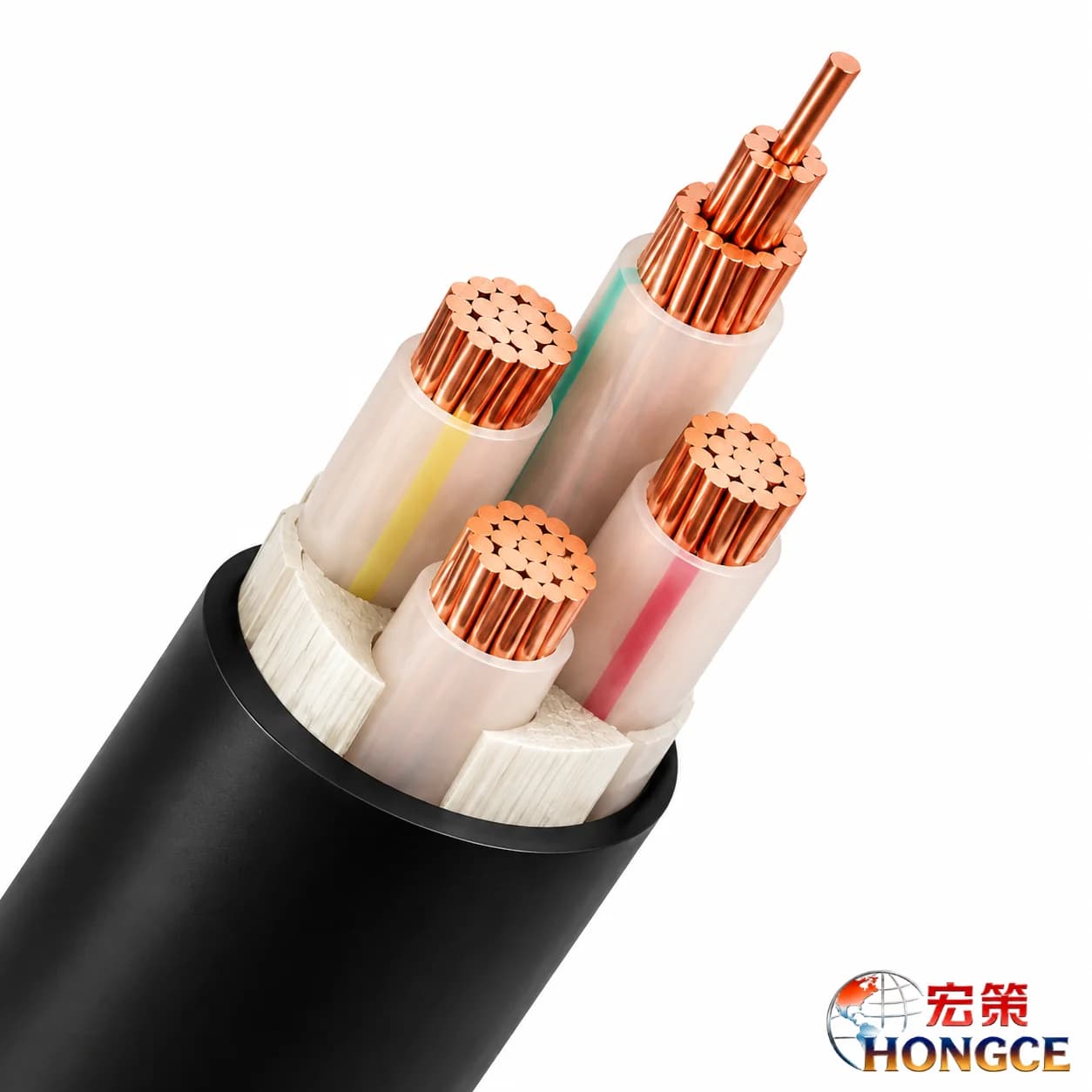
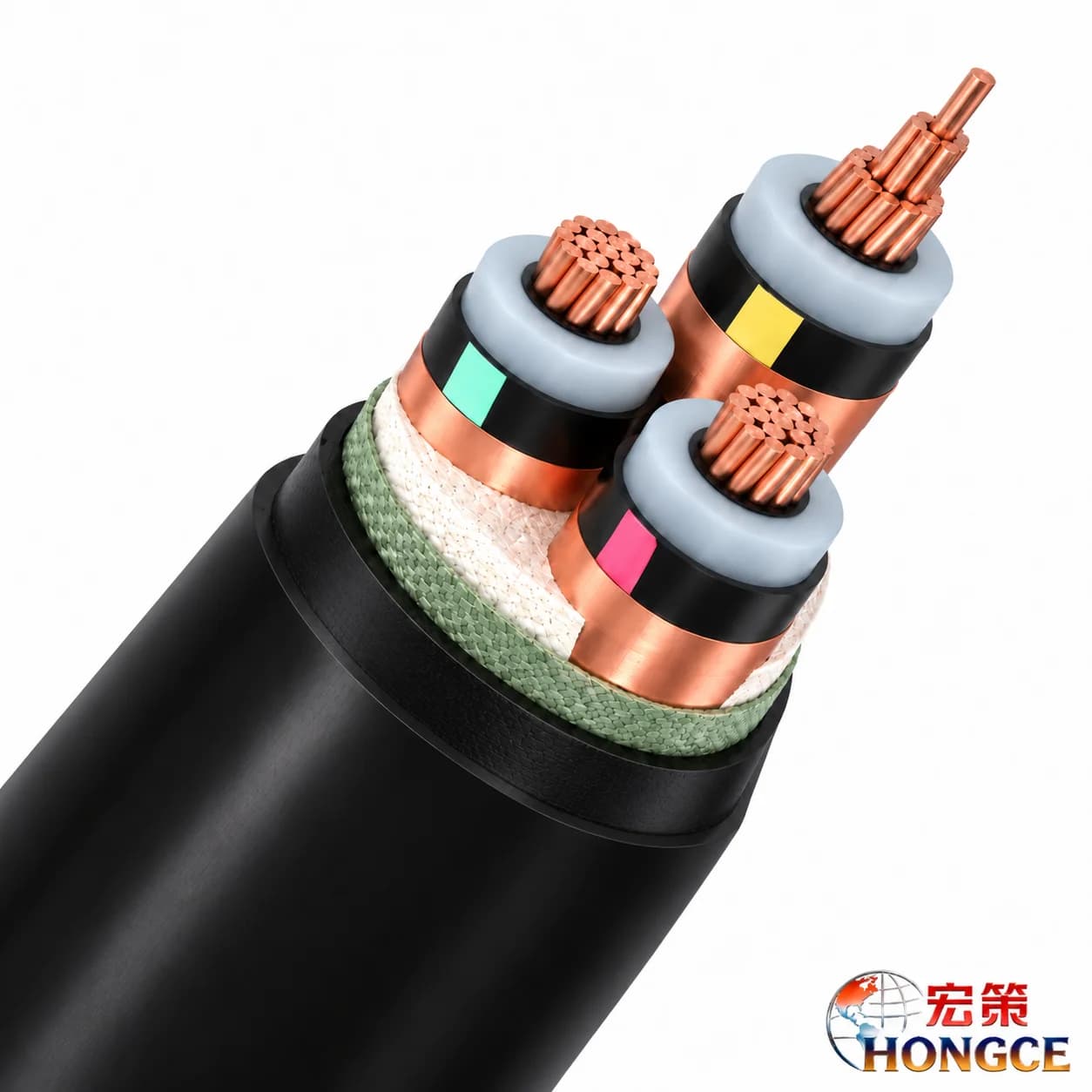
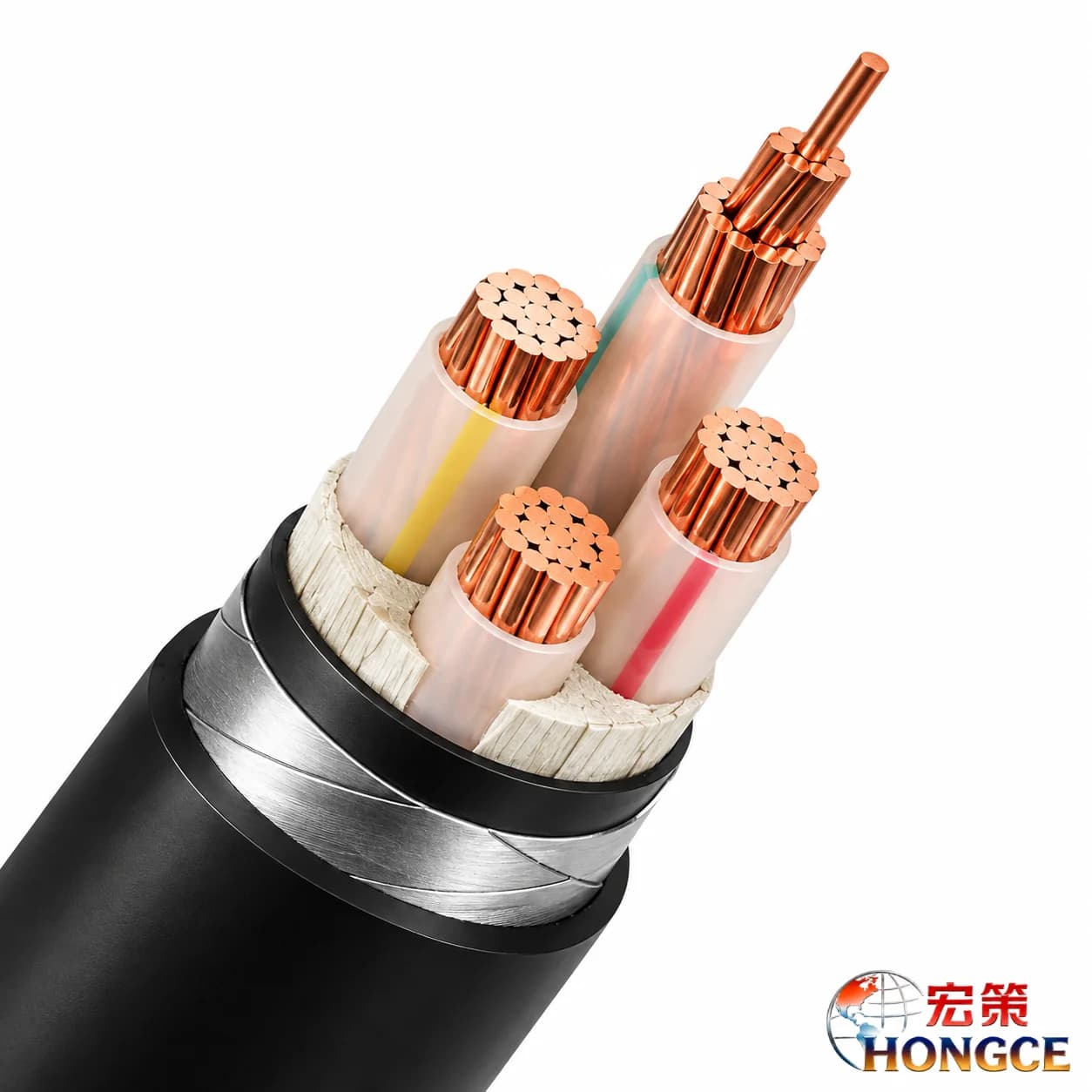
By cutting the cable and examining the cross-section of the conductor, you can assess its purity. Pure oxygen-free copper boasts a bright, uniform, reddish-orange luster. Impure copper often looks dull, yellowish, or features dark oxidative spots due to the presence of internal oxygen reacting with the environment.
Detecting CCA (Copper-Clad Aluminum)
If you see a silvery-white dot in the center of the cut cross-section, you are holding Copper-Clad Aluminum. CCA is aluminum wire coated with a thin layer of copper. While it has its specific (and limited) use cases, it is completely unacceptable for heavy industrial power transmission due to its high resistance and tendency to break under stress.
Microscopic Surface Finish Assessment
Under a microscope, OFC drawn through high-quality polycrystalline diamond (PCD) dies will have a flawlessly smooth surface. This smooth surface is vital for high-frequency signal transmissions and power delivery, as it minimizes the "skin effect"—a phenomenon where alternating current (AC) tends to flow near the surface of the conductor. A rough surface caused by impurities forces the current to travel a longer, irregular path, increasing resistance and heat.
Weight and Specific Gravity Verification
Because copper is significantly denser than aluminum and most other cheap filler metals, a simple weight and density check can serve as a highly effective field test during bulk delivery intake.
The Mathematics of Density
The specific gravity (density) of pure copper is approximately 8.89 g/cm³. Aluminum, by contrast, is only 2.70 g/cm³.
When receiving a bulk shipment, procurement teams can calculate the theoretical weight of a 100-meter drum of cable based on the stated cross-sectional area of the conductor and the density of pure copper (factoring in the weight of the insulation and armoring). If the drum feels suspiciously light compared to the specification sheet and theoretical calculations, it is highly likely that CCA, copper-clad steel, or a severely undersized conductor has been used.
However, it is important to note that weight alone cannot differentiate between 99% recycled impure copper and 99.95% OFC, which is why this physical check must be paired with DC resistance and spectrometry testing for complete verification.
The Hidden Costs of Compromising on Copper Purity
Most buyers fall for substandard cables for one reason: the lower invoice price. Cables made with standard ETP copper or recycled scrap might be offered at a 10% to 15% discount. However, this initial saving is an illusion that leads to massive long-term financial drains.
Anyone in SEA cable supply knows the OFC-certificate market. photocopied OES reports float freely in WhatsApp trader groups, and roughly half don't match the actual production batch when we cross-check the lab database. A certificate PDF alone means nothing. The certificate number must verify on the issuing lab's online registry — UL Product iQ, Intertek, SGS — or it's worthless. Procurement teams that skip this verification step regularly receive 99% recycled-scrap copper sold as 99.95% OFC.
- Increased I²R Power Losses: The slight increase in electrical resistance in impure copper results in continuous energy loss, dissipated as heat. Over a 30-year operational lifespan of a utility grid or solar plant, the cost of this wasted energy astronomically outweighs the initial savings on the cable purchase.
- Thermal Degradation: Higher resistance means higher operating temperatures. This constant heat accelerates the aging of cable insulation (such as XLPE or PVC). Premature insulation failure leads to short circuits, system downtime, and expensive emergency replacements.
- Safety and Liability: In highly demanding environments, the failure of a main power feed can halt production lines, shut down data centers, or cause industrial fires. The legal and operational liabilities associated with sourcing fake or impure cables are severe.
Applications Demanding Strict 99.95% OFC Compliance
While high-purity copper is beneficial everywhere, certain modern applications make it an absolute technical necessity.
Grid Modernization and Interconnectivity
As countries invest heavily in upgrading their national grids to handle higher loads and cross-border energy sharing, long-distance transmission efficiency is paramount. Cables connecting substations and industrial zones require the absolute lowest resistance possible to maintain voltage stability over long runs.
Renewable Energy and Photovoltaic (PV) Systems
Solar farms are often located in extreme environments—subjected to intense UV radiation, high temperatures, and moisture. PV cables must endure these conditions for 25 to 30 years. The use of 99.95% OFC ensures that the cables maintain maximum conductivity without succumbing to thermal stress or hydrogen embrittlement.
Hyperscale Data Centers
With the explosive growth of AI and cloud computing, modern data centers consume large amounts of electricity. The power distribution networks within these facilities operate under continuous, heavy loads. High-purity OFC cables are mandatory to prevent dangerous heat buildup in confined server halls and cable trays.
The Hongce Cable Commitment: 100% Traceability and 99.95% Purity
The integrity of a power grid or an industrial plant is only as strong as its cables. At Zhejiang Hongce Cable Co., Ltd., we view cable manufacturing not just as a production process, but as an engineering responsibility.
Our quality control begins long before the drawing machines are turned on. Operating out of our expansive 37,250 m² self-owned facility, we maintain a stringent, ISO 9001-certified supply chain. Every single batch of copper rod entering our 12 automated production lines is rigorously tested to ensure it meets the unyielding 99.95% Oxygen-Free Copper standard.
We do not use recycled scrap. We do not use CCA. We do not compromise.
Our Transparent Testing Protocol
We invite all international EPC contractors, utility engineers, and procurement managers to review our rigorous quality control processes. Our internal laboratory conducts comprehensive type-testing on every production run, including:
- Automated DC Resistance testing per IEC standards.
- Mechanical elongation and tensile strength verification.
- High-voltage dielectric strength testing for insulation integrity.
You can explore our complete testing methodologies, factory certifications, and detailed comprehensive type-test reports on our dedicated quality assurance portal.
Conclusion: Partnering for Reliable Infrastructure
Bulk cable sourcing is a complex process filled with potential risks. By enforcing these five engineering checks—DC Resistance, OES Analysis, Elongation, Visual/Microscopic Inspection, and Density Verification—you can protect your projects from the hidden dangers of impure copper.
Choosing a reliable manufacturing partner is the most effective way to guarantee material integrity. With a 20-year proven track record of supplying premium industrial, power, and specialized cables, Zhejiang Hongce Cable Co., Ltd. stands ready to support your next major infrastructure project with authentic, high-performance OFC cables.
Ready to source IEC-certified, true 99.95% OFC cables for your next project?Contact the Hongce Cable engineering team today for a technical consultation, customized specification sheets, and a competitive quote.
Related reading on cable purity, manufacturer verification, and testing standards: CAT6 UTP CCA verification checklist, how to compare Chinese armored cable manufacturers, and our complete cable testing standards guide.
About the Author
Junjie Cheng – Senior Cable Engineer at Hongce Cable Junjie Cheng is the Senior Cable Engineer at Zhejiang Hongce Cable Co., Ltd., specializing in power cable design, manufacturing processes, and international quality control. He leads Hongce Cable’s technical team to deliver customized cabling solutions for global infrastructure and power grids. Mr. Cheng specializes in the engineering of medium-to-high voltage cables. He recently spearheaded the successful technical review and production of a RMB 5.5 million (approx. USD 760K) export project to Malaysia, delivering high-performance YJLV 6/10KV 3*150 mm² XLPE insulated aluminum power cables. His deep expertise in triple-layer co-extrusion and drum twister cabling guaranteed the strict mechanical and electrical performance required for Malaysia's power environment. Under his technical guidance, Hongce Cable ensures all products comply with IEC, BS, ASTM, and CE certifications, providing safe, efficient, and certified power transmission solutions to global B2B buyers.