
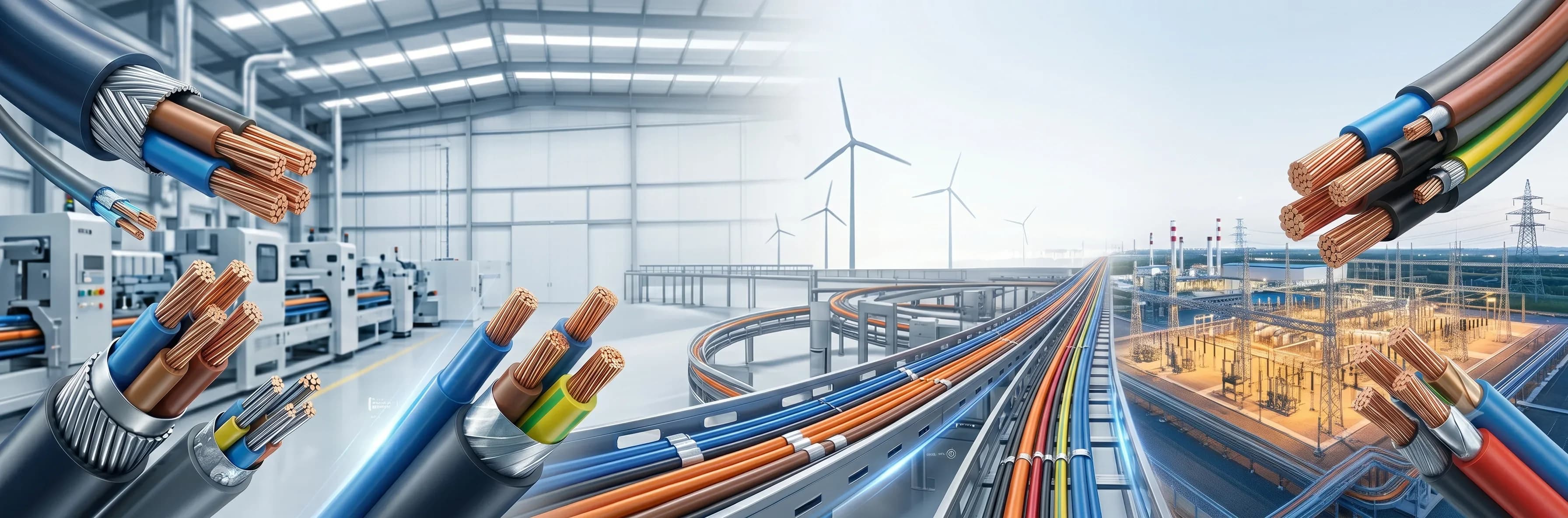
What Is XLPE Insulation and Why Is It Used in Power Cables?
A practical guide to cable construction, operating limits and procurement checks for EPC contractors, electrical distributors and project engineers.
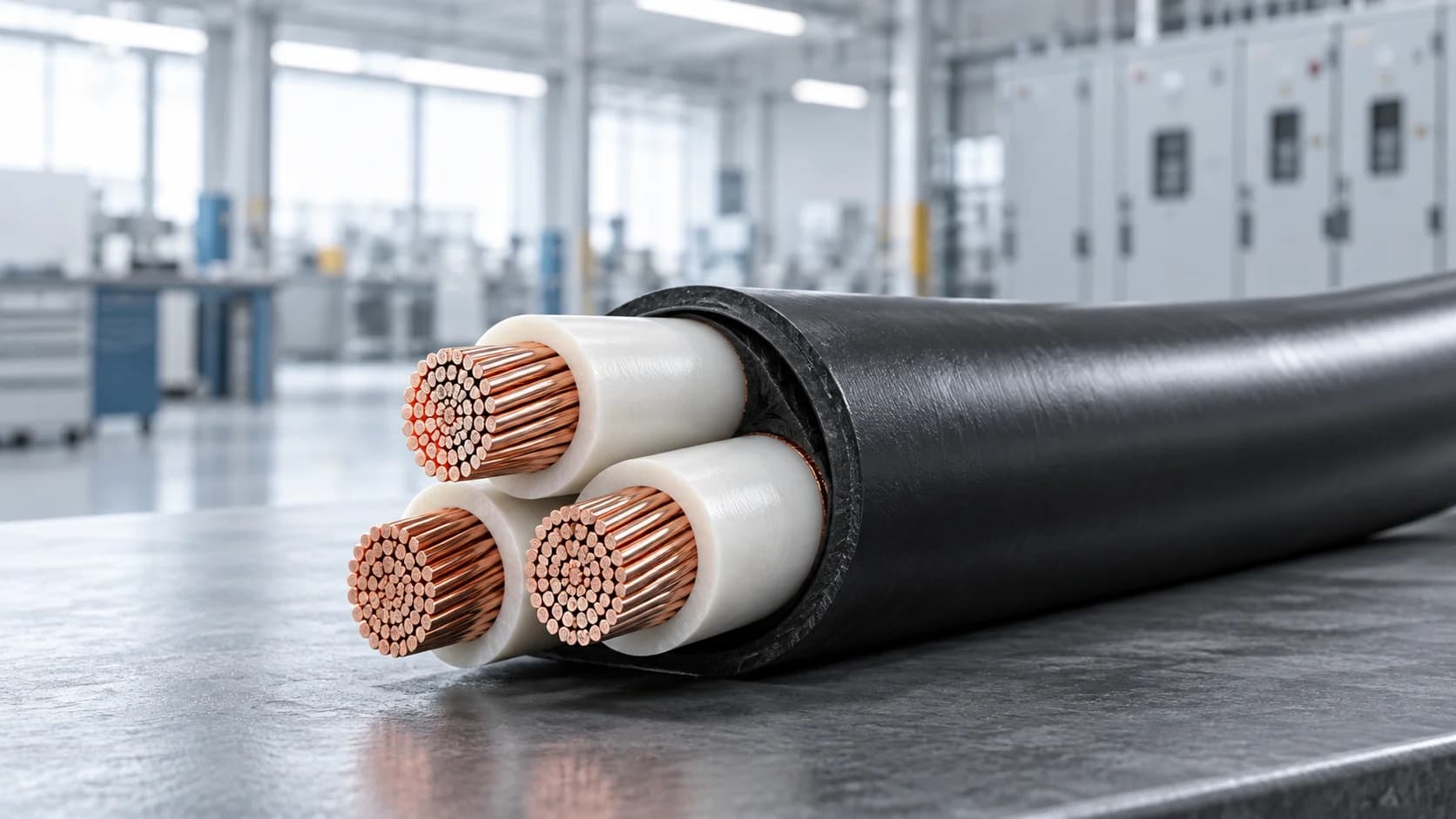
XLPE insulation is cross-linked polyethylene used in power cables for its electrical insulating properties and resistance to heat-induced deformation. This guide explains cable construction, temperature limits, and the difference between insulation and outer sheaths. With Hongce product specifications and a published Hangzhou Metro supply case, it helps B2B buyers assess applications, project requirements, and supporting test documents before ordering.
What Is XLPE Insulation?
What Does XLPE Stand For?
XLPE stands for cross-linked polyethylene. Polyethylene is an insulating polymer; cross-linking creates connections between its molecular chains. The resulting material behaves as a thermoset rather than an ordinary thermoplastic.
How Does Cross-Linking Change Polyethylene?
The linked structure limits the movement of the polymer chains when heated. This helps the insulation resist heat-induced deformation. Cross-linking can be achieved through different manufacturing routes, including chemical processes and irradiation; the appropriate route depends on the compound and cable design.
For additional background, Eland Cables’ explanation of XLPE insulation describes how cross-linking extends polyethylene’s usable temperature range while retaining its electrical properties. It should not be interpreted as making every XLPE cable interchangeable.
Where Is XLPE Insulation Located in a Power Cable?
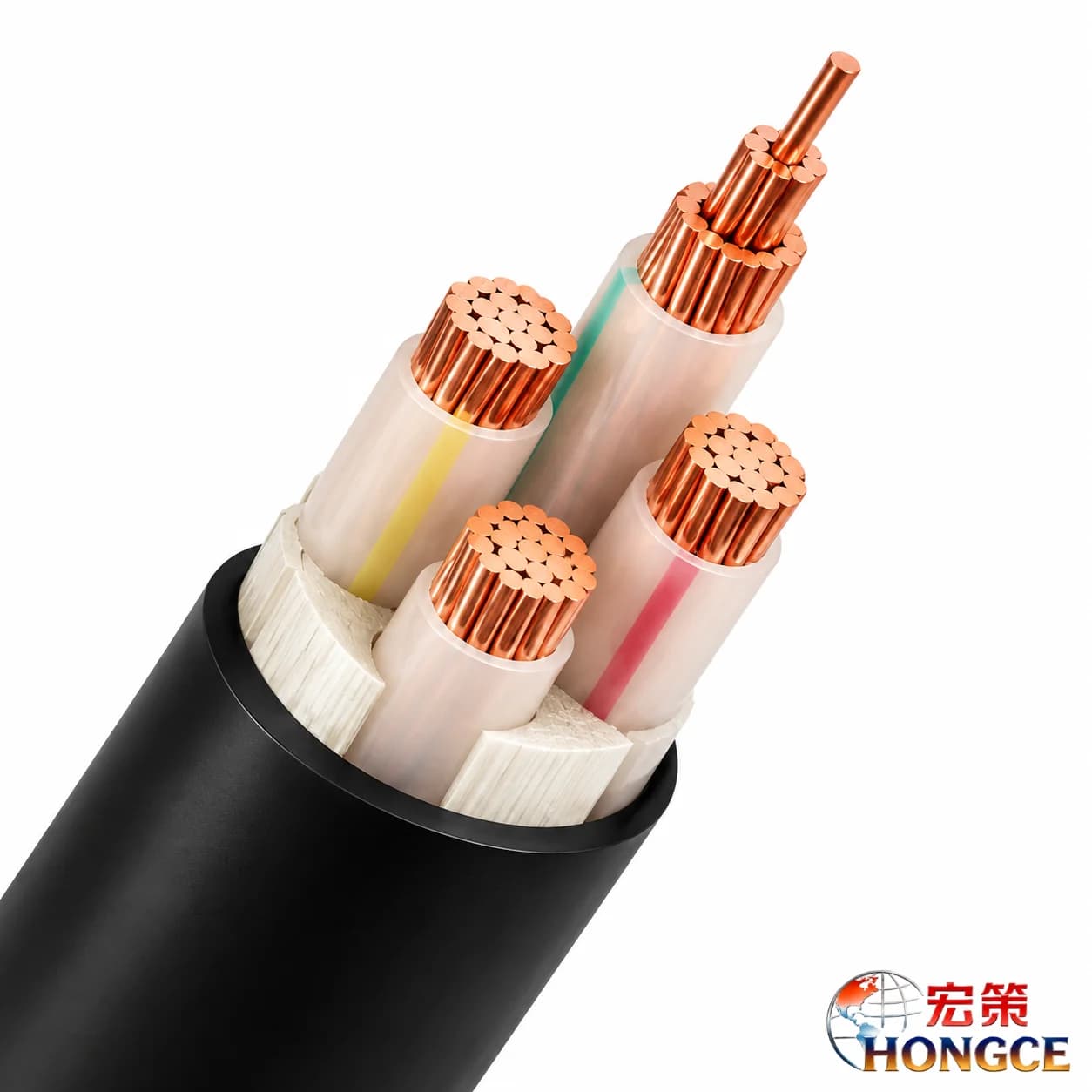
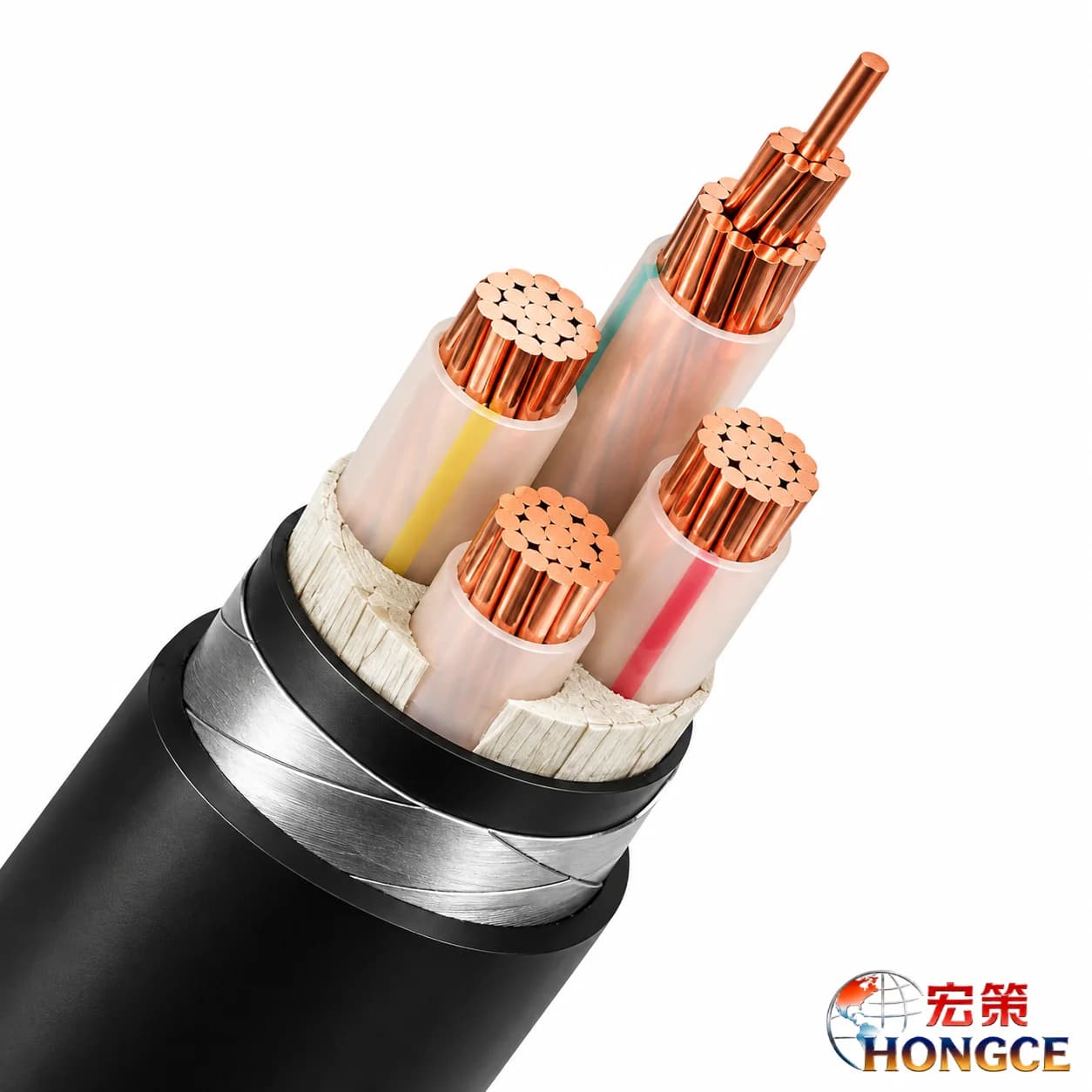
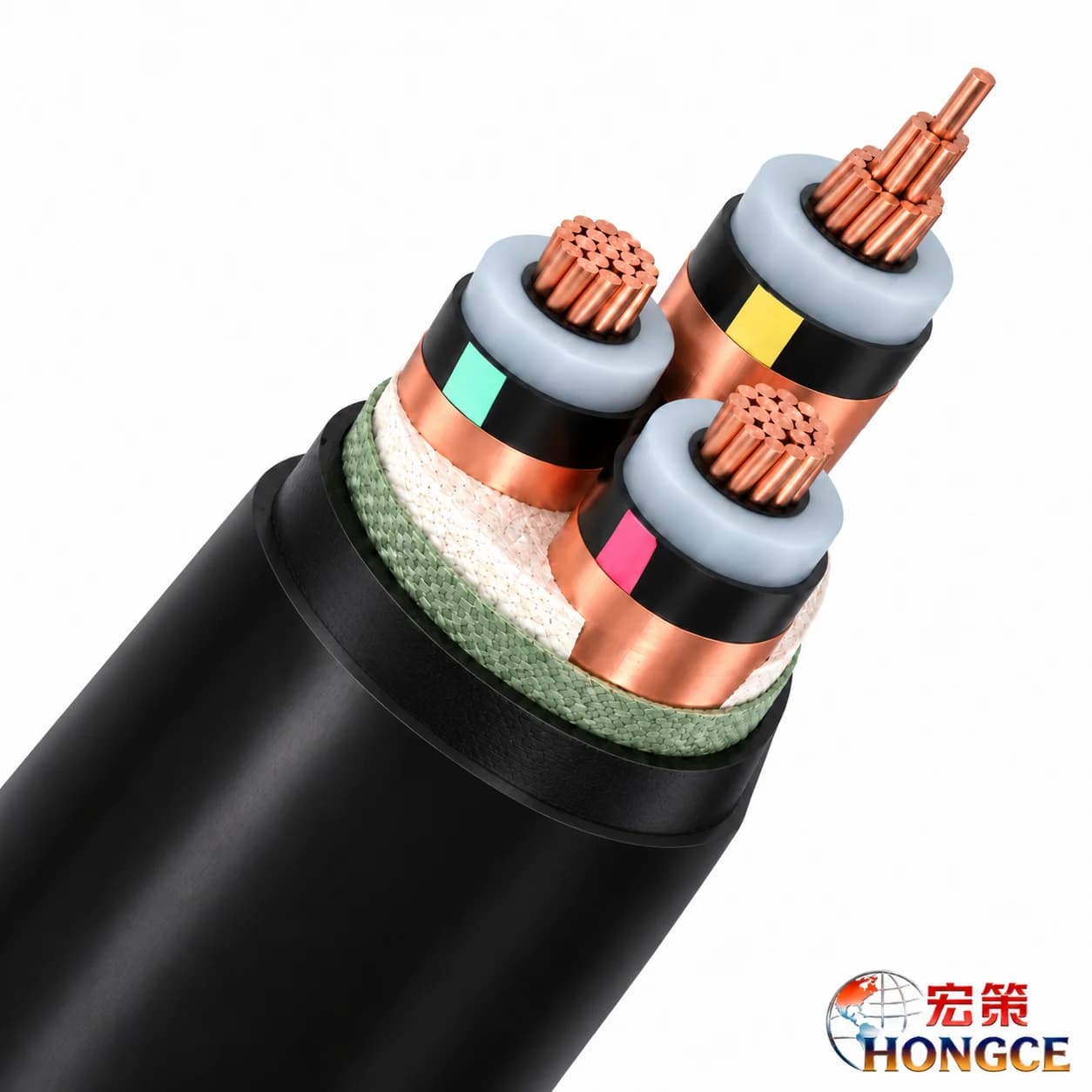
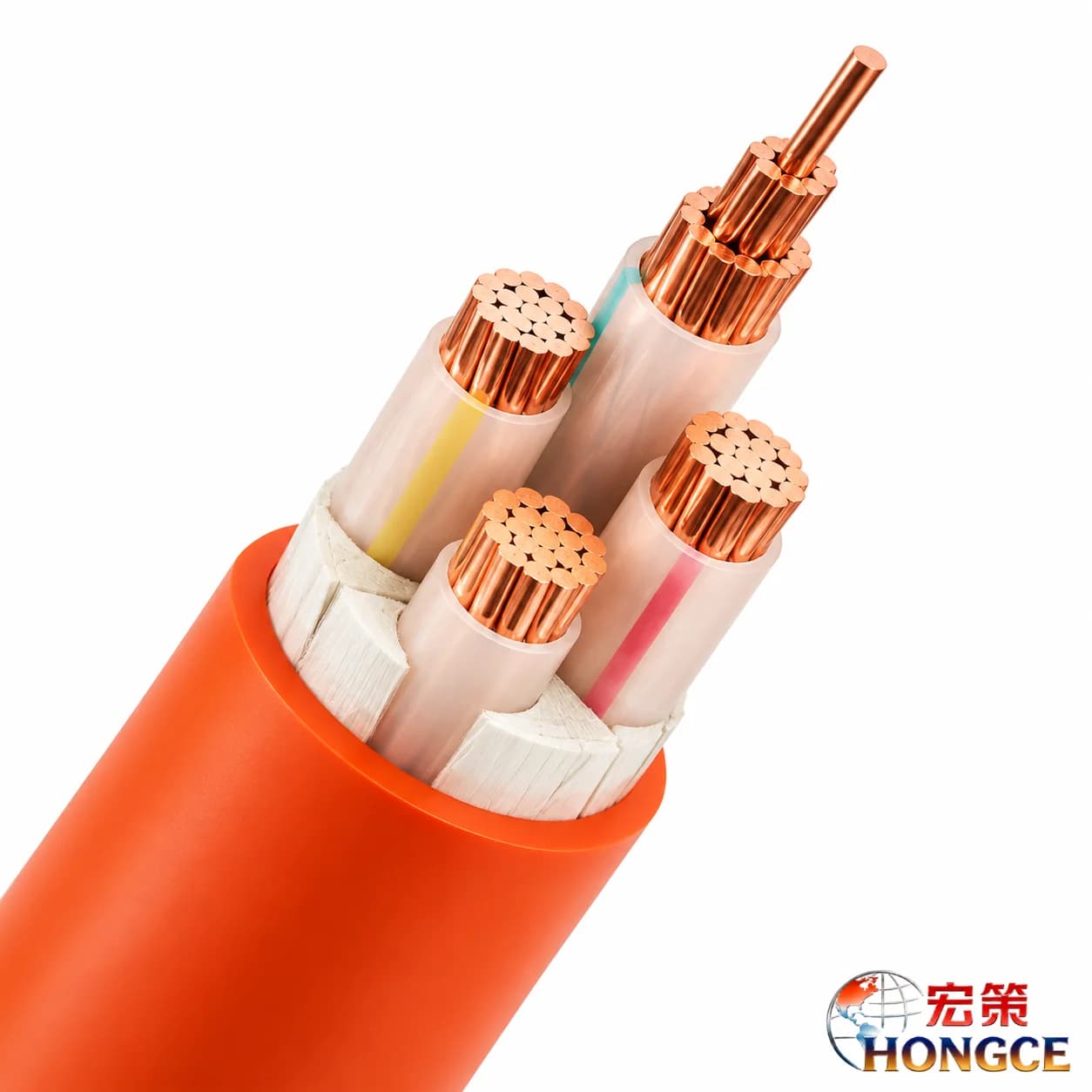
In a simple low-voltage cable, insulation surrounds each conductor. Additional elements may include fillers, bedding, armour and an outer sheath. Medium-voltage designs normally include semiconductive screens and metallic screening as well. A drawing of one cable family therefore cannot be used as the construction drawing for another.

Why Is XLPE Insulation Used in Power Cables?
Electrical Insulation and Dielectric Performance
The insulation separates energized conductors from other conductive parts. Its thickness, material quality and integration into the cable structure must suit the specified electrical duty. A description such as “XLPE insulated” does not replace a voltage designation or a dimensional specification.
Manufacturing consistency also matters. Buyers should look for documented construction requirements and applicable tests rather than relying on broad claims such as “premium insulation.” Where detailed material properties are relevant, request data for the actual compound: values published for a different formulation are not automatically transferable.
Heat Resistance During Operation and Short Circuits
Many conventional XLPE power cable designs use a maximum continuous conductor temperature of 90°C and a maximum short-circuit conductor temperature of 250°C for a limited duration, commonly up to five seconds. These are conductor-temperature limits under specified conditions, not permissible ambient temperatures or permission to overload the circuit.
Prysmian’s medium-voltage cable technical catalogue gives this thermal distinction for the designs it covers. The selected manufacturer’s data sheet, protective-device clearing time and project requirements still govern the particular installation.
For example, a 90°C conductor rating does not mean that equipment terminals can operate at that temperature. Nor does a 250°C short-circuit limit establish the permissible fault current without considering conductor size, initial temperature and fault duration.
Mechanical Stability Under Thermal Stress
Cross-linking helps the insulation retain its form when subjected to heat and mechanical stress. It does not provide the same protection as armour, a conduit or a suitably designed outer sheath. Cable pulling, bending and support arrangements must remain within the limits specified for the complete product.
The IEC 60811-507 hot-set test addresses the behaviour of cross-linked insulating and sheathing materials under prescribed test conditions. Buyers reviewing a report should check the applicable product standard and acceptance criteria, as well as the test method.
How Does XLPE Insulation Differ from the Outer Sheath?
The Insulation Provides the Electrical Barrier
Insulation is selected around the electrical duty of each core. Procurement documents should identify its material and required construction separately from the outer covering. This distinction becomes useful when comparing two quotations that both use the term “XLPE cable” but propose different jackets or protective layers.
The Outer Sheath Addresses the Installation Environment
The sheath is the cable’s outer covering. Its suitability should be checked against the actual exposure, such as sunlight, moisture, abrasion or chemicals. Those characteristics require a defined material specification or performance evidence; they should not be inferred from the insulation name.
An XLPE-insulated cable may have a PVC sheath, a polyethylene sheath or a low-smoke, zero-halogen sheath compound. These options address different project requirements. Hongce’s guide to PVC cable sheaths provides further context for distinguishing the layers.
Reading a Cu/XLPE/PVC Cable Specification
In the construction shorthand Cu/XLPE/PVC, Cu identifies the copper conductor, XLPE identifies the insulation, and PVC identifies the outer sheath. The shorthand does not specify every detail: the number of cores, conductor class, dimensions and installation limits must still be confirmed.
The following reference uses Hongce’s published YJV 0.6/1kV copper XLPE power cable information. It is a product-family summary, not a Hangzhou Metro project schedule.
Parameter | Published value / construction | Procurement interpretation |
|---|---|---|
Rated voltage, U₀/U | 0.6/1 kV AC | Confirm compatibility with the system and earthing arrangement. |
Conductor | Copper; Class 1 or Class 2 | Confirm the class offered for the selected size. |
Insulation / sheath | XLPE / PVC | These describe separate cable layers. |
Maximum continuous conductor temperature | 90°C | Not an ambient-temperature rating. |
Maximum short-circuit conductor temperature | 250°C; maximum 5 s | Check fault current and protection clearing time. |
Core configurations | 1, 2, 3, 4 or 5 cores | Confirm the required conductor arrangement. |
Listed conductor-size range | 1.5–630 mm² | Availability depends on the selected configuration. |
Listed standards | IEC 60502-1; IEC 60228; GB/T 12706.1 | Agree the applicable edition and documentation. |
Where Are XLPE-Insulated Power Cables Used?
Low-Voltage Distribution in Buildings and Factories
XLPE-insulated cables are used in fixed distribution circuits serving buildings and industrial equipment. IEC 60502-1:2021 defines construction, dimensional and test requirements for extruded-insulation power cables at the voltage classes within its scope. Referencing the standard helps define the product; it does not replace the project’s installation rules.
When mechanical protection is required, buyers can evaluate an appropriate armoured construction, such as Hongce’s YJV22 copper XLPE steel tape armoured cable. Armour selection should follow the route and cable arrangement rather than a general preference for a heavier product.
Medium-Voltage Distribution Networks
Medium-voltage procurement requires the complete insulation and screening system to be reviewed. The official IEC 60502-2 consolidated standard listing covers extruded-insulation cables from 6 kV to 30 kV within its stated scope and identifies water-ingress considerations.
Hongce’s YJV 8.7/15kV medium-voltage cable is one product example for a specification review. Its voltage class should be matched to the network requirements rather than selected by the XLPE designation alone. For document review, see Hongce’s medium-voltage cable testing guide.

Underground and Outdoor Installations
Buried and outdoor routes introduce conditions that insulation selection alone cannot resolve. A purchasing specification should state whether the cable will be in ducts, on trays, directly buried or exposed to standing water. It should also identify expected mechanical loads and any required water barriers.
Different XLPE formulations can address different duties. For example, Dow’s cable-insulation materials portfolio distinguishes tree-retardant XLPE from conventional formulations. This is a material-selection reference, not a statement that Hongce uses a particular Dow compound. Confirm the actual supplied material where that distinction is important to the project.
Project Example: Hongce’s XLPE Cable Supply for Hangzhou Metro
What Applications Does the Published Case Cover?
Hongce’s Hangzhou Metro project page describes cable supply for power distribution, station lighting and environmental-control systems. It identifies XLPE-insulated power cables and LSZH flame-retardant cables among the supplied product categories.
The account illustrates why infrastructure procurement involves several performance requirements at once. The published page does not identify individual line sections, complete cable schedules or batch test results, so this example does not assign unverified model numbers or performance figures to the project.
What Does the Case Illustrate About Cable Construction?
The useful distinction is between insulation selection and whole-cable fire-performance requirements. Specifying XLPE addresses one part of the construction. A project’s requirements for smoke, halogen emissions or flame propagation must be addressed separately through the specified cable design and supporting evidence.
Hongce’s WDZ-YJY 0.6/1kV LSZH power cable offers a current product example combining XLPE insulation with an LSZH sheath. It is linked here for construction reference, not as confirmation of a specific model supplied to Hangzhou Metro.

What Can Overseas Buyers Learn from This Project?
Use the application to build the specification. A buyer preparing a comparable transport or public-building enquiry should distinguish ordinary distribution circuits from circuits with additional fire-performance requirements, then request the relevant product documents for each.
A domestic project reference provides context for supplier experience. Approval for an overseas project must still be established against the destination market’s requirements and the owner’s specification. The practical question is whether the proposed cable and its supporting documents meet the particular tender.
What Should Buyers Check Before Ordering XLPE-Insulated Cables?
Rated Voltage, Construction and Project Standards
Begin with a complete cable schedule. A request for “XLPE cable, 95 mm²” leaves the supplier to infer voltage, conductor material, core count, sheath and protection requirements. Those assumptions can produce quotations that appear comparable but cover different products.
The table below is an illustrative RFQ checklist, not a design recommendation or a record of the metro project. Replace every example with the approved project requirement.
RFQ field | Illustrative entry | What to confirm |
|---|---|---|
Voltage and frequency | 0.6/1 kV AC; 50 Hz | System voltage and earthing conditions |
Core arrangement | 4 × 95 mm² | Neutral and protective-conductor requirements |
Conductor | Class 2 copper | Class, resistance requirement and termination compatibility |
Insulation / sheath | XLPE / specified PVC compound | Required environmental and fire performance |
Route | Fixed installation in ducts | Grouping, soil conditions and water exposure |
Quantity | 2,000 m total; four 500 m drums | Route lengths, joints and handling limits |
Dimensions | Supplier to declare thickness, diameter and mass | Applicable dimensional tolerances |
Verification | Data sheet and agreed inspection/test documents | Product identification and acceptance criteria |
Temperature Ratings and Installation Conditions
Current capacity depends on heat generation and heat dissipation. Ambient temperature, soil thermal resistivity, burial depth and circuit grouping can all affect the result. IEC 60287-1-1:2023 provides a framework for steady-state cable current-rating and loss calculations.
Ask the supplier to state the assumptions behind any ampacity table. A rating for a cable in free air should not be applied directly to a grouped duct installation. Likewise, using XLPE does not automatically justify reducing conductor size: voltage drop, fault withstand, terminal limits and installation rules must also be satisfied.
Data Sheets and Relevant Test Reports
Check that each document identifies the proposed construction and applicable standard. Distinguish design-level evidence, such as type-test reports, from records associated with the supplied production length or batch. Confirm any required third-party involvement before ordering.
A useful review records the requirement, the supplier’s declared value, the supporting document and any deviation. This creates a clear basis for technical clarification before production. An ISO management-system certificate should not be used as a substitute for product-specific test evidence.
Discuss Your XLPE Cable Requirements with Hongce
To obtain a project-specific recommendation, send Hongce your cable schedule, voltage class, conductor material and size, core arrangement, installation conditions, required standards and delivery quantities. Include any owner specifications for fire performance, water blocking or inspection documentation.
Explore Hongce’s power cable range or contact the team to request the relevant data sheets and a quotation based on your project requirements.
About the Author
Junjie Cheng – Senior Cable Engineer at Hongce Cable Junjie Cheng is the Senior Cable Engineer at Zhejiang Hongce Cable Co., Ltd., specializing in power cable design, manufacturing processes, and international quality control. He leads Hongce Cable’s technical team to deliver customized cabling solutions for global infrastructure and power grids. Mr. Cheng specializes in the engineering of medium-to-high voltage cables. He recently spearheaded the successful technical review and production of a RMB 5.5 million (approx. USD 760K) export project to Malaysia, delivering high-performance YJLV 6/10KV 3*150 mm² XLPE insulated aluminum power cables. His deep expertise in triple-layer co-extrusion and drum twister cabling guaranteed the strict mechanical and electrical performance required for Malaysia's power environment. Under his technical guidance, Hongce Cable ensures all products comply with IEC, BS, ASTM, and CE certifications, providing safe, efficient, and certified power transmission solutions to global B2B buyers.
Frequently Asked Questions
Is XLPE Insulation Waterproof?+
Is XLPE Insulation Flame Retardant or Fire Resistant?+
Does XLPE Insulation Mean the Entire Cable Is Halogen-Free?+
Can XLPE-Insulated Cables Be Buried Directly?+
How Long Does XLPE Cable Insulation Last?+
Keep Reading
PVC Sheath Cables in Industrial Applications: Specs, Uses, and Material Selection
Discover why PVC sheath cables are the industry standard for power and control systems. Get detailed technical specs and see how premium PVC formulations prevent operational downtime in harsh environments.
Testing & Compliance: Understanding IEC 60502-2 Medium Voltage XLPE Power Cable Specifications
Discover the critical IEC 60502-2 testing and compliance specifications for medium voltage XLPE power cables. This guide explores core construction requirements, essential quality control protocols like partial discharge testing, and how strict adherence prevents common failures such as water treeing. Ideal for EPC contractors and electrical engineers looking to ensure safety, durability, and international compliance in large-scale power infrastructure projects.