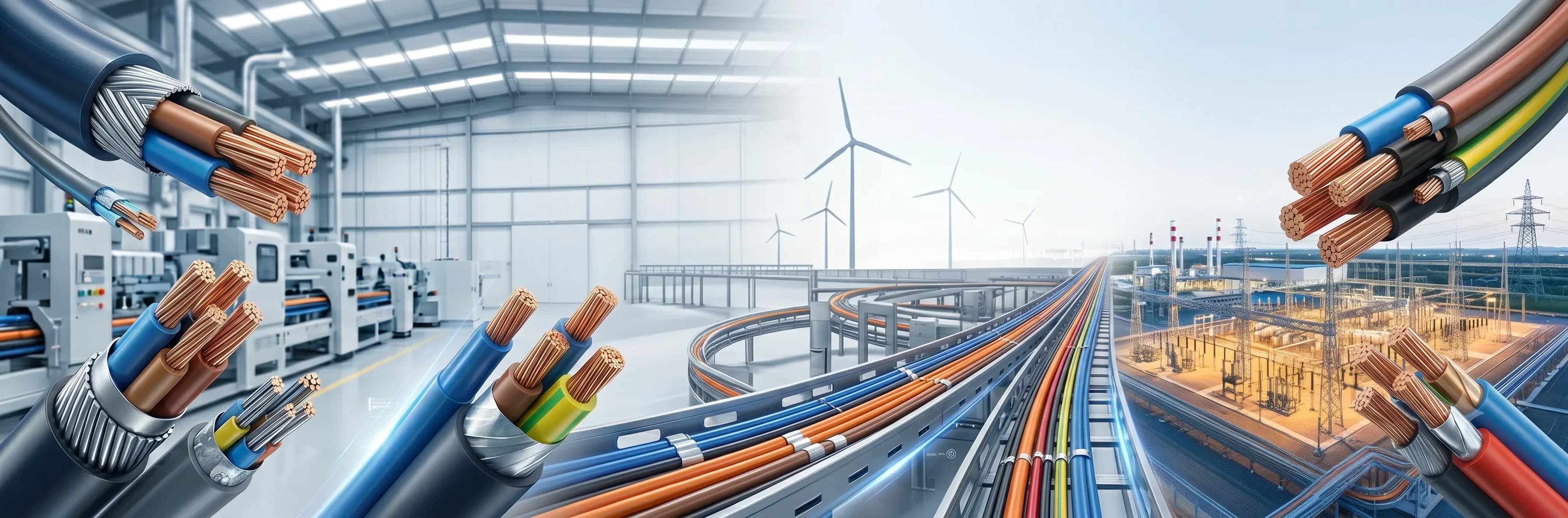
Defy the Tropics! Next-Gen TISI Certified Moisture & Termite-Proof Cables
Stop water treeing & termite attacks. Ensure TISI compliance for Thai grids!
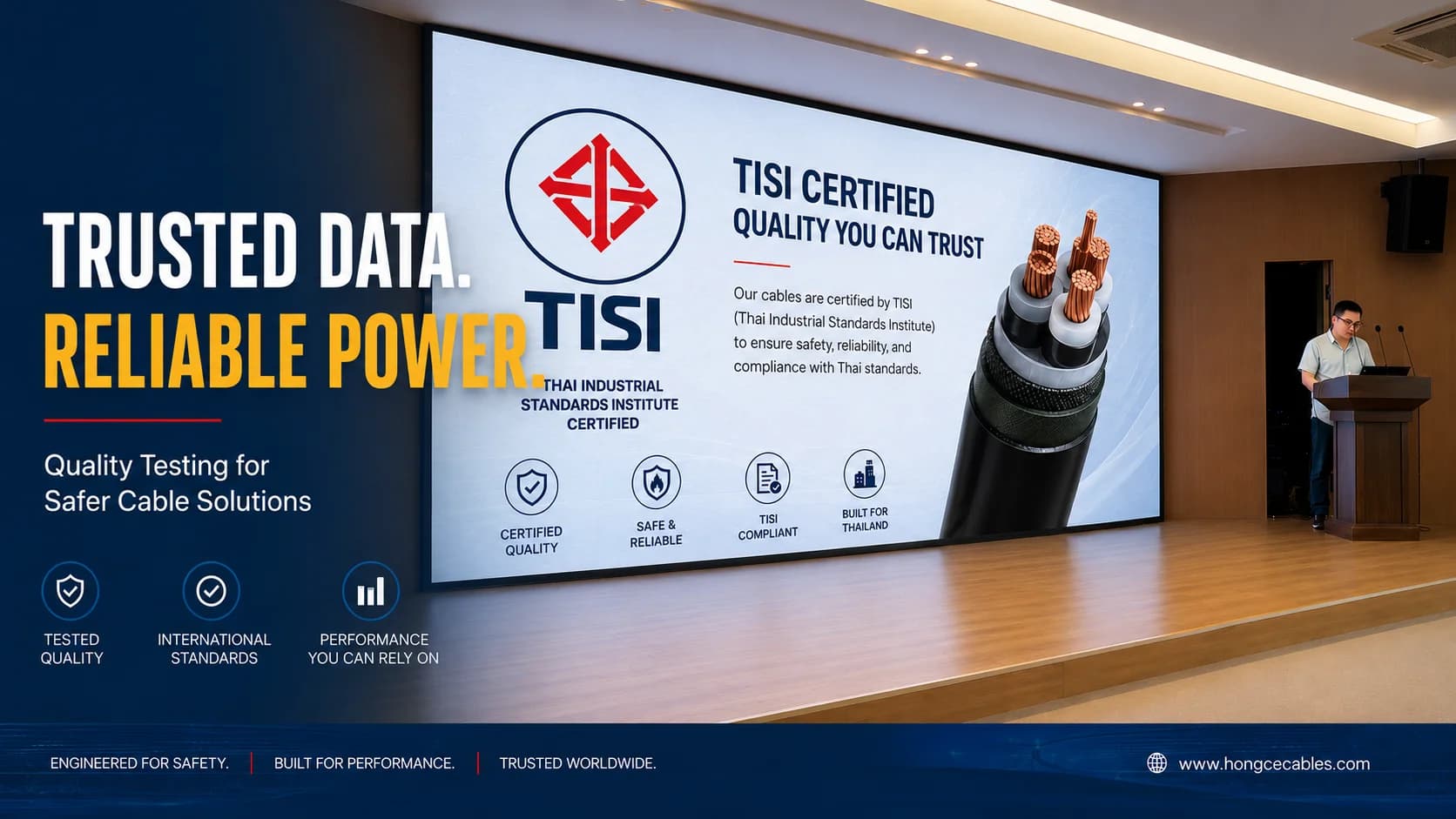
Discover how next-gen TISI certified moisture and termite-proof cables prevent catastrophic failures in Thailand. Engineered for EPC contractors to ensure reliable power transmission in harsh tropical environments and reduce Total Cost of Ownership.
The climate of Southeast Asia is as demanding as it is dynamic. For electrical infrastructure projects in Thailand, the extreme tropical environment—characterized by relentless high humidity, torrential monsoon seasons, and aggressive subterranean termite colonies—acts as an "invisible assassin" to underground and outdoor power systems. Standard electrical cables that perform flawlessly in temperate zones often face catastrophic, premature failures when deployed in these harsh tropical conditions.
To secure the future of ASEAN grid modernization, standard solutions are no longer sufficient. Enter the era of next-generation moisture-proof and termite-proof cables. This article explores the unique environmental challenges of the Thai cable market, the critical importance of localized engineering, and how Zhejiang Hongce Cable Co., Ltd. is proactively upgrading its production processes to fully embrace Thailand’s stringent TISI (Thai Industrial Standards Institute) requirements, ensuring ultimate reliability for EPC contractors.
The Tropical Challenge: Why Standard Cables Fail in Thailand
When Engineering, Procurement, and Construction (EPC) contractors design power transmission and distribution networks for the Thai market, they must account for an environment that actively degrades infrastructure. Relying on baseline materials like standard PVC or low-grade cross-linked polyethylene (XLPE) inevitably leads to system vulnerabilities.
The Threat of Moisture Ingress and "Water Treeing"
Thailand's monsoon season brings heavy, sustained rainfall, leading to waterlogged soil and flooded underground conduits. When standard cables are submerged for extended periods, moisture permeates the outer sheath and reaches the insulation layer. This leads to a phenomenon known as water treeing—microscopic, tree-like structures that form within the polymer insulation (especially in substandard XLPE) under electrical stress. Over time, these water trees bridge the insulation, severely degrading its dielectric strength and exponentially increasing the risk of short circuits, electrical breakdowns, and complete system failure.
The Biological Hazard: Termite Attacks

Beyond the weather, Thailand's subterranean environment is teeming with aggressive termite species. Termites do not eat cables for nutrition; rather, they gnaw through obstacles in their path or are attracted to the electromagnetic fields and warmth generated by active power lines. A standard cable sheath offers little resistance to their sharp mandibles. Once the outer sheath is breached, the metallic shielding and internal conductors are exposed to the humid environment, leading to rapid corrosion, ground faults, and severe safety hazards.
The Hidden Crisis for EPC Contractors
For EPC project managers, these environmental failures translate directly into massive financial liabilities. Frequent maintenance, emergency fault location, and cable replacement dramatically inflate the Total Cost of Ownership (TCO). Furthermore, unexpected downtime damages the contractor’s reputation and introduces severe project delays and breach-of-contract risks. To protect their investments, contractors require a specialized solution engineered specifically for the tropics.
Strategic Focus: Behind Hongce's July 14th Meeting

A Unified Goal: TISI Compliance and Market Integration
The core agenda of this summit was clear: to strategically enter the Thai market not just as a vendor, but as a fully compliant, localized manufacturing partner. The primary directive was strict alignment with the mandatory standards enforced by the Thai Industrial Standards Institute (TISI). TISI standards are notoriously rigorous, designed specifically to safeguard infrastructure in Thailand's unique climate.
Re-engineering from the Ground Up
This was not a standard sales strategy meeting. It was a comprehensive technical symposium involving Hongce’s R&D, Production, and Quality Assurance departments. The consensus was unanimous: simply exporting existing domestic products would not suffice. To truly serve the Thai market, the company had to revolutionize its manufacturing approach.
During the July 14th session, the teams mapped out specialized process improvements to adapt to local demands:
- Extrusion Process Optimization: The production team outlined new parameters for tighter, more uniform polymer extrusion to eliminate micro-voids where moisture could accumulate.
- Advanced Sheathing Formulas: R&D proposed entirely new material compounds that integrate eco-friendly anti-termite additives without compromising the mechanical flexibility or fire-retardant properties of the cables.
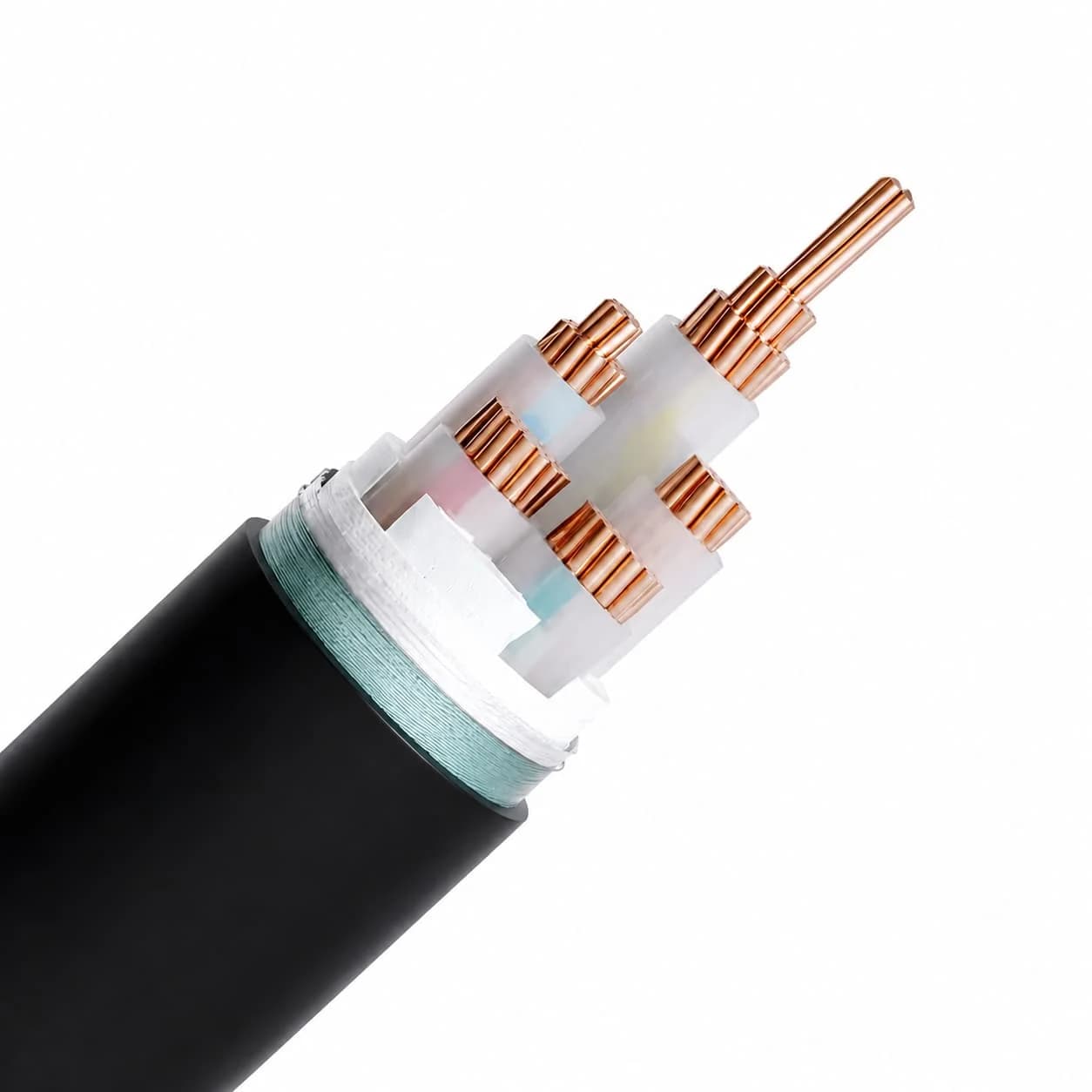
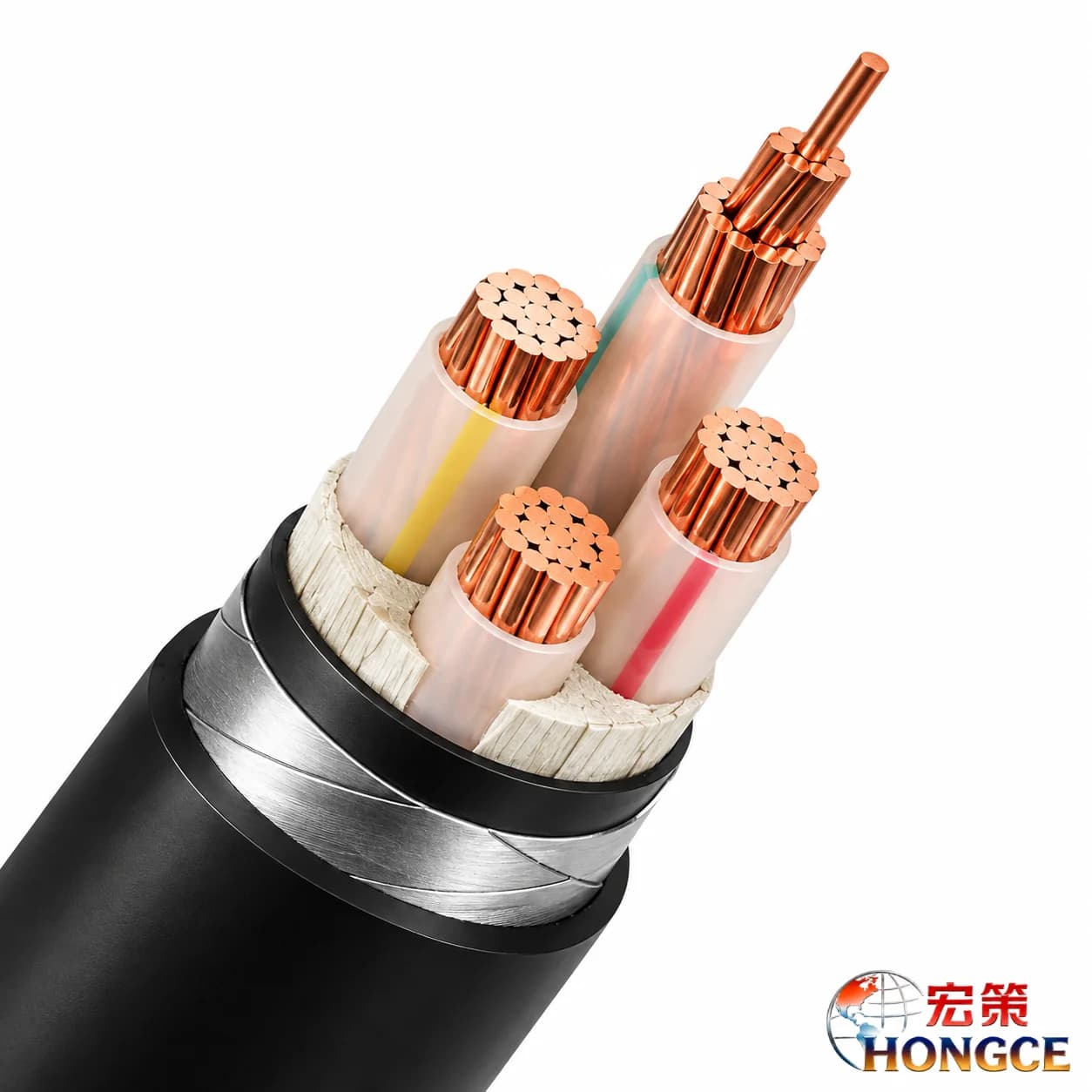
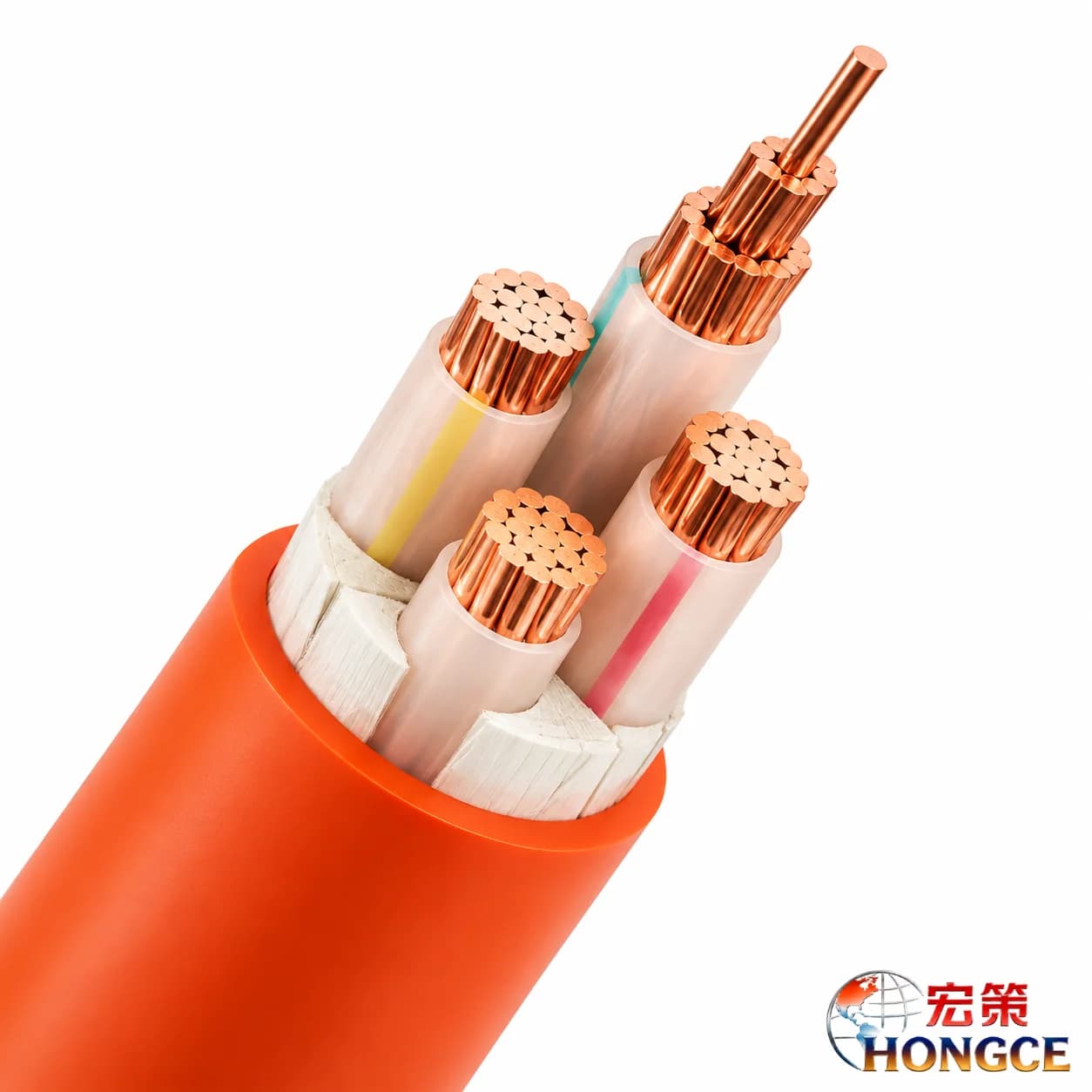
- Water-Blocking Structural Redesign: The engineering team finalized the integration of longitudinal and radial water-blocking technologies tailored for medium-voltage armored cables (such as the YJV22 series) and low-smoke zero-halogen (LSZH) variants like WDZ-YJY.
This proactive, cross-departmental alignment underscored Hongce’s commitment to delivering a product that doesn't just pass a lab test, but survives decades in the Thai soil.
Engineering the Next-Gen Cable: Building a Dual Fortress
The technical resolutions from the July 14th meeting have been swiftly translated into tangible manufacturing upgrades. Hongce’s "Next-Gen" TISI-certified cables now feature a dual-barrier system, offering unparalleled defense against both moisture and biological degradation.
Advanced Moisture Barriers
To combat the relentless Thai humidity, Hongce has implemented a multi-layered defense mechanism:
- High-Performance Water-Blocking Tape: Rather than relying solely on the outer sheath, these cables incorporate advanced swellable water-blocking tapes wrapped longitudinally around the core. The moment moisture breaches the outer layer, this tape rapidly absorbs the water and swells, creating an impenetrable gel barrier that stops moisture from traveling down the length of the cable.
- Dense XLPE Extrusion: By upgrading the curing and extrusion processes, the XLPE insulation achieves a significantly higher degree of cross-linking and structural density. This minimizes the microscopic spaces where water trees typically form, preserving the cable's electrical integrity even under continuous immersion.
Termite-Resistant Sheathing (Physical & Chemical Defense)
Defeating termites requires a sophisticated approach that balances durability with environmental safety. Hongce’s specialized sheathing employs a two-tiered defense:
- The Physical Barrier: For projects in high-risk zones, cables can be extruded with an ultra-tough Nylon (Polyamide) outer jacket. Nylon possesses a surface hardness and slickness that termite mandibles simply cannot grip or pierce, providing a robust, permanent physical shield.
- The Chemical Deterrent: For LSZH and standard XLPE sheaths, Hongce utilizes specialized, environmentally responsible anti-termite additives integrated directly into the polymer matrix during compounding. Unlike volatile, toxic pesticides of the past, these modern additives act as a repellent. They cause olfactory and gustatory discomfort to the termites upon first contact, driving the colony away without leaching harmful chemicals into the surrounding groundwater.
Rigorous Accelerated Testing
Every batch of these next-gen cables undergoes severe, accelerated environmental testing designed to simulate decades of tropical exposure. This includes prolonged high-temperature water immersion tests, intense UV degradation cycles, and mechanical impact testing, ensuring they exceed the benchmarks set by TISI.
Why TISI Matters for Your Next Project
For procurement managers and EPC contractors operating in Thailand, insisting on TISI-certified, tropicalized cables is not a luxury—it is a baseline necessity.
Policy Access and Grid Integration
Thailand is currently undergoing a massive energy transition, upgrading its regional grid interconnection to support renewable energy projects and AI data centers. TISI certification is the mandatory "hard key" for entry into state-sponsored projects managed by the Metropolitan Electricity Authority (MEA) and the Provincial Electricity Authority (PEA). Furthermore, large-scale commercial real estate and industrial park developers strictly mandate TISI compliance to satisfy insurance and safety regulations.
The Ultimate Quality Endorsement
Choosing Zhejiang Hongce Cable means opting for a product whose very DNA was optimized for the Thai environment. For the contractor, this translates to:
- Drastically Lower Failure Rates: Eliminating moisture and termite damage minimizes the risk of post-installation blackouts.
- Reduced Total Cost of Ownership: Less maintenance, fewer replacements, and zero emergency excavation costs protect the project's profit margins.
- Enhanced System Reliability: A robust power transmission backbone ensures that high-stakes facilities, from manufacturing hubs to hyperscale data centers, operate without interruption.
Conclusion: Partnering for Tropical Resilience
Conquering the extreme conditions of the Southeast Asian tropics requires more than just high-quality raw materials; it requires a manufacturing partner with the strategic foresight and technical agility to customize its entire production paradigm. The July 14th internal summit at Zhejiang Hongce Cable Co., Ltd. was a testament to this philosophy—a proactive pivot to engineer cables specifically for the Thai market's moisture and termite challenges, fully aligned with TISI standards.
When your project's success hinges on uninterrupted power in an unforgiving climate, you need cables built to defy the tropics.
Ready to upgrade your infrastructure? Visit hongcecables.com to explore our comprehensive product center, or contact our technical sales team via email today to request the latest catalog of our Next-Gen Moisture & Termite-Proof Cables and receive a customized quote for your Thai EPC projects.
About the Author
Liangce Chi currently serves as Southeast Asia Market Analyst at Zhejiang Hongce Cable Co., Ltd. His work involves in-depth research covering power infrastructure construction across Southeast Asia, price trends of bulk commodities, and cross-border cable trade compliance. Combining insights from macroeconomic data with extensive hands-on cross-border trade experience, Liangce Chi goes beyond theoretical research and conducts on-site assessments of industrial manufacturing investment climates in Thailand, Vietnam, Indonesia and other Southeast Asian markets. Drawing on his professional work, he secured bulk orders from well-established Thai enterprises for Zhejiang Hongce Cable. This landmark achievement has laid a solid quantitative foundation for the company to further expand its market share of industrial building support cables in Thailand and the broader Southeast Asian region.