LSZH Power Cables for Thailand EPC Projects
TISI, IEC, and GB/T compliance guidance for Bangkok commercial and infrastructure cable procurement.
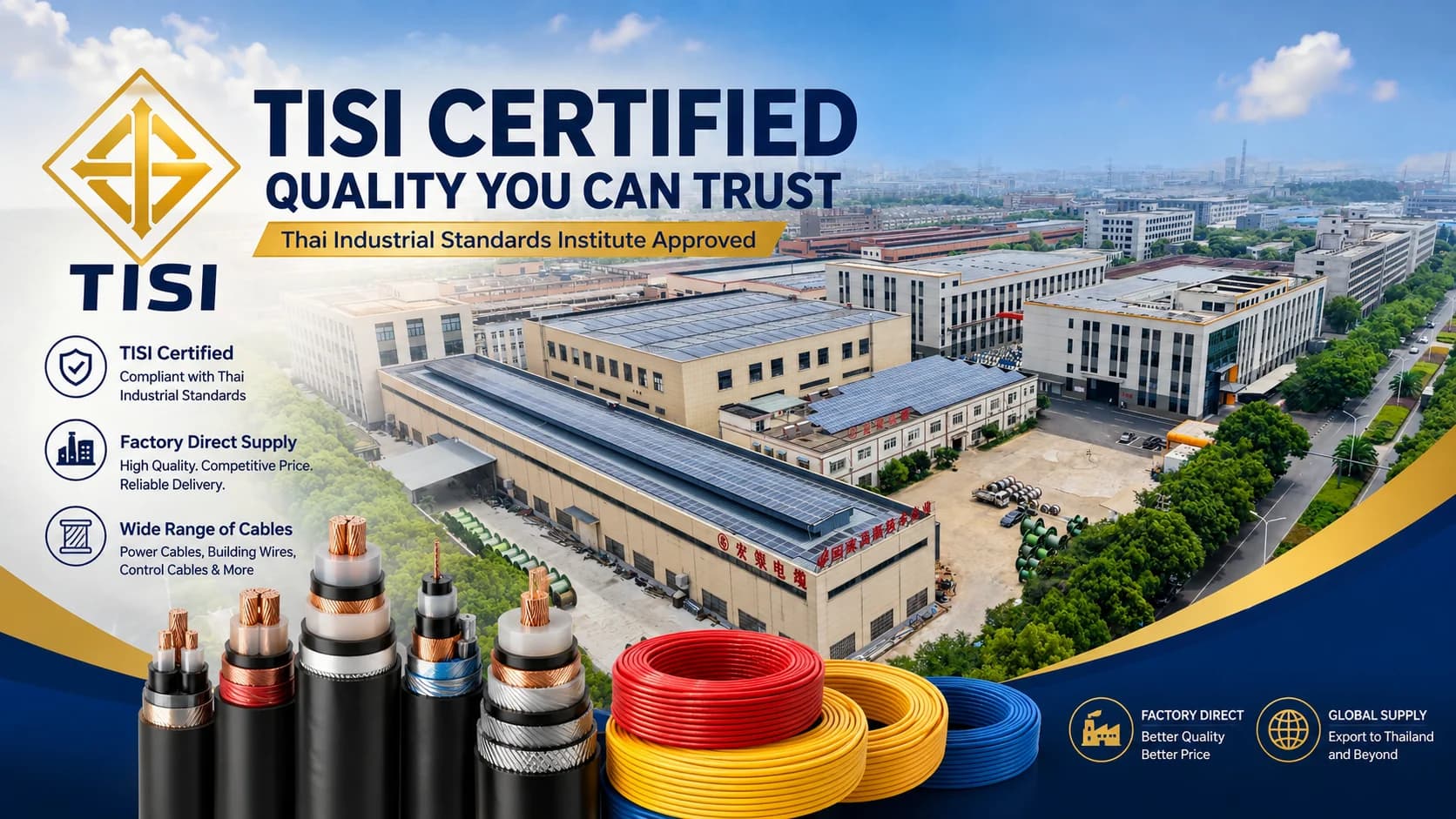
Compare LSZH power cable requirements for Thailand EPC projects, including TISI, IEC and GB/T standards, fire performance, sourcing checks, and cost controls.
In Bangkok’s high-stakes construction market, a single compliance failure during fire safety audits can erase an entire project’s margin. As commercial building codes tighten across high-rise complexes in Sukhumvit and mission-critical data centers in Samut Prakan, Low Smoke Zero Halogen (LSZH) power cables have shifted from a standard specification to a mandatory life-safety baseline.
Yet, Engineering, Procurement, and Construction (EPC) contractors face a recurring financial dilemma: securing strictly TISI-compliant cables often means paying a heavy 20% to 30% price premium to multi-tier local distributors.
Must achieving absolute fire safety and regulatory compliance require sacrificing your project budget?
Not anymore. Drawing from Zhejiang Hongce Cable's June 2026 on-the-ground market analysis in Thailand,, this guide reveals how smart engineering teams leverage the technical parity between Chinese National Standards (GB/T) and Thai Industrial Standards (TIS). By bypassing traditional intermediary markups through direct factory supply chains, EPCs can secure world-class, fully compliant LSZH cables at true factory-direct costs—without ever compromising on safety.
Significant Technical Parity Across Standards
The technical core of Thai Industrial Standards (TISI / TIS) for medium- and low-voltage power cables heavily mirrors international standards (IEC 60502) and Chinese national standards (GB/T 12706 and GB/T 3956). Key parameters—such as conductor DC resistance, cross-linked polyethylene (XLPE) insulation thickness, and thermal endurance ratings—are functionally equivalent across these frameworks.
The Multi-Tier Distributor Markup Friction
Most foreign and local EPCs in Bangkok source LSZH cables through 3rd-party importing brokers or regional sub-distributors. Each intermediary layer adds a 5% to 12% markup to cover financing, import clearance, and stock holding risk. Consequently, contractors often pay up to 220% to 30% above factory-direct costs for standard LSZH low-voltage and medium-voltage power cables.
Strategic Milestone: Establishing Our Local Thai Commercial Company
To eliminate this inefficiency, Zhejiang Hongce Cable has established a dedicated local trading company in Thailand. By combining our massive manufacturing base in Zhejiang with a localized commercial entity in Thailand, we enable EPC buyers to contract locally, clear customs effortlessly, obtain local tax invoices, and access factory-direct pricing for TISI-aligned and GB/T certified power cables.
Decoding the Standards: Why GB/T Quality Inherently Aligns with TISI
When specifying cables for commercial buildings in Bangkok, engineering teams must ensure that imported or factory-direct cables satisfy TISI’s baseline performance requirements. Understanding the technical alignment between GB/T and TISI/IEC standards provides design engineers with the technical confidence required for material submittals.
Technical Parameter | GB/T Standard Equivalent | TISI / IEC Standard Equivalent | Engineering & Safety Implication for Bangkok Projects |
Conductor Requirements | GB/T 3956 Class 1 & 2 | TIS 11 Part 101 / IEC 60228 | Requires ≥99.95% Oxygen-Free Copper (OFC). Guarantees low DC resistance and prevents conductor overheating in tropical high-ambient conditions (40°C+). |
Power Cable Construction | GB/T 12706.1 - 12706.2 | TIS 2143 / IEC 60502-1 & 2 | Governs XLPE insulation thickness, phase identification, and sheathing integrity for voltage ratings up to 30 kV. |
Flame Retardancy | GB/T 18380.3 | IEC 60332-3 Category A/B | Ensures self-extinguishing properties when cables are bundled vertically in commercial building cable risers. |
Halogen Acid Gas Emission | GB/T 17650.2 | IEC 60754-2 (pH ≥ 4.3, conductivity ≤ 10 µS/mm) | Verifies zero toxic chlorine/bromine gas release during combustion, protecting occupants and electronic systems. |
Smoke Density Testing | GB/T 17651.2 | IEC 61034-2 (Light transmittance ≥ 60%) | Maintains clear visibility inside emergency exit stairwells and corridors during building fires. |
Conductor Purity: The Foundation of Electrical Efficiency
Under GB/T 3956 (and its identical counterpart IEC 60228), Class 2 stranded copper conductors must adhere strictly to maximum allowable DC resistance values at 20°C.
Achieving this requirement consistently demands the use of 99.95% pure Oxygen-Free Copper (OFC). Inferior alternatives—such as recycled copper scrap or Copper-Clad Aluminum (CCA)—fail DC resistance tests, leading to severe voltage drops and elevated line losses under Bangkok’s elevated ambient temperatures.
Technical Insight: Electrical contractors should always request 20°C conductor DC resistance test reports from the factory. A 1% increase in conductor resistance translates directly into continuous operational energy loss over a commercial building’s 30-year lifecycle.
Flame Retardancy and Zero Halogen Performance
In high-rise commercial structures across Bangkok, cables are densely packed inside vertical shafts and ceiling plenums. Standard PVC-jacketed cables burn rapidly and release toxic hydrogen chloride ($\text{HCl}$) gas, which forms corrosive hydrochloric acid upon contact with moisture in human lungs or electrical equipment.
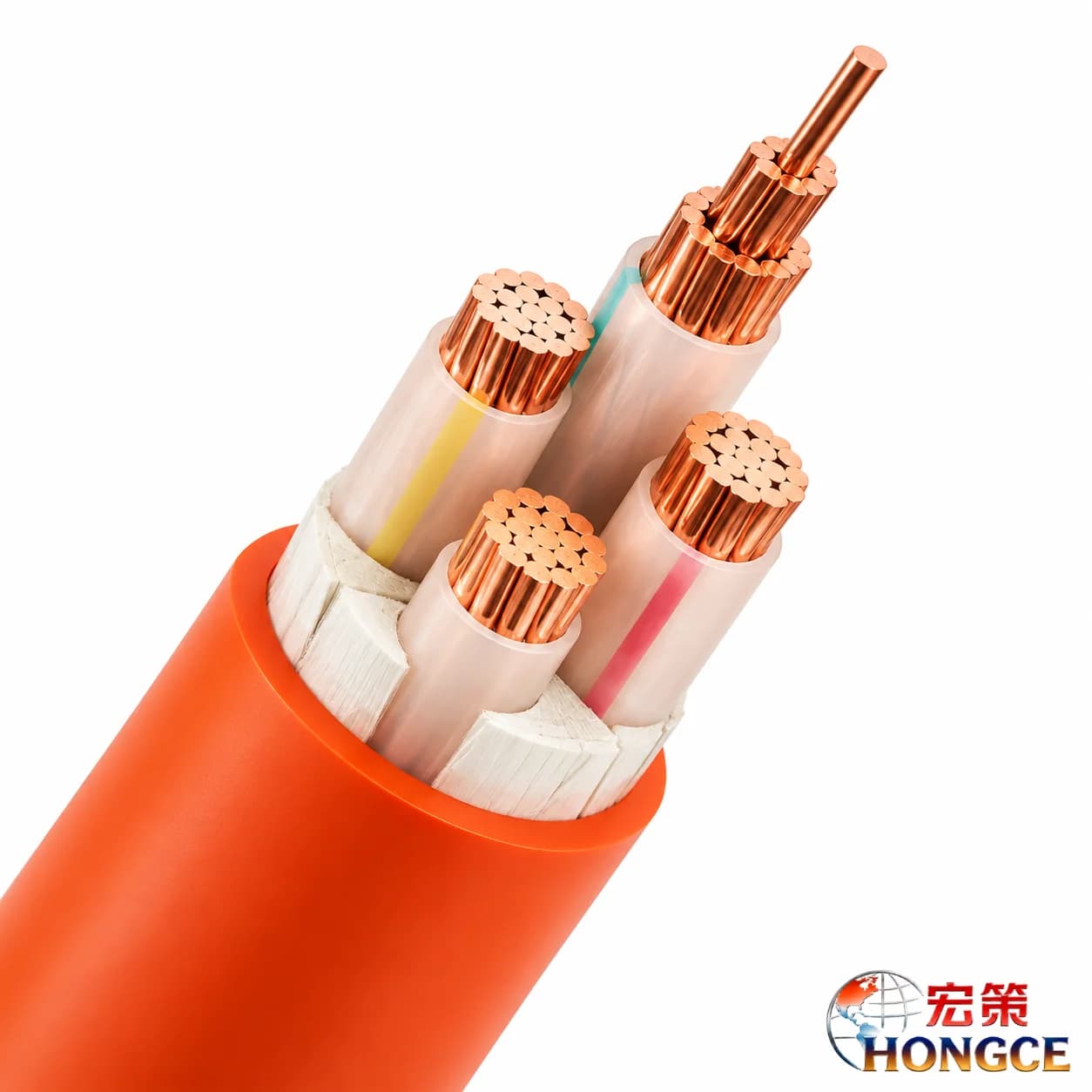
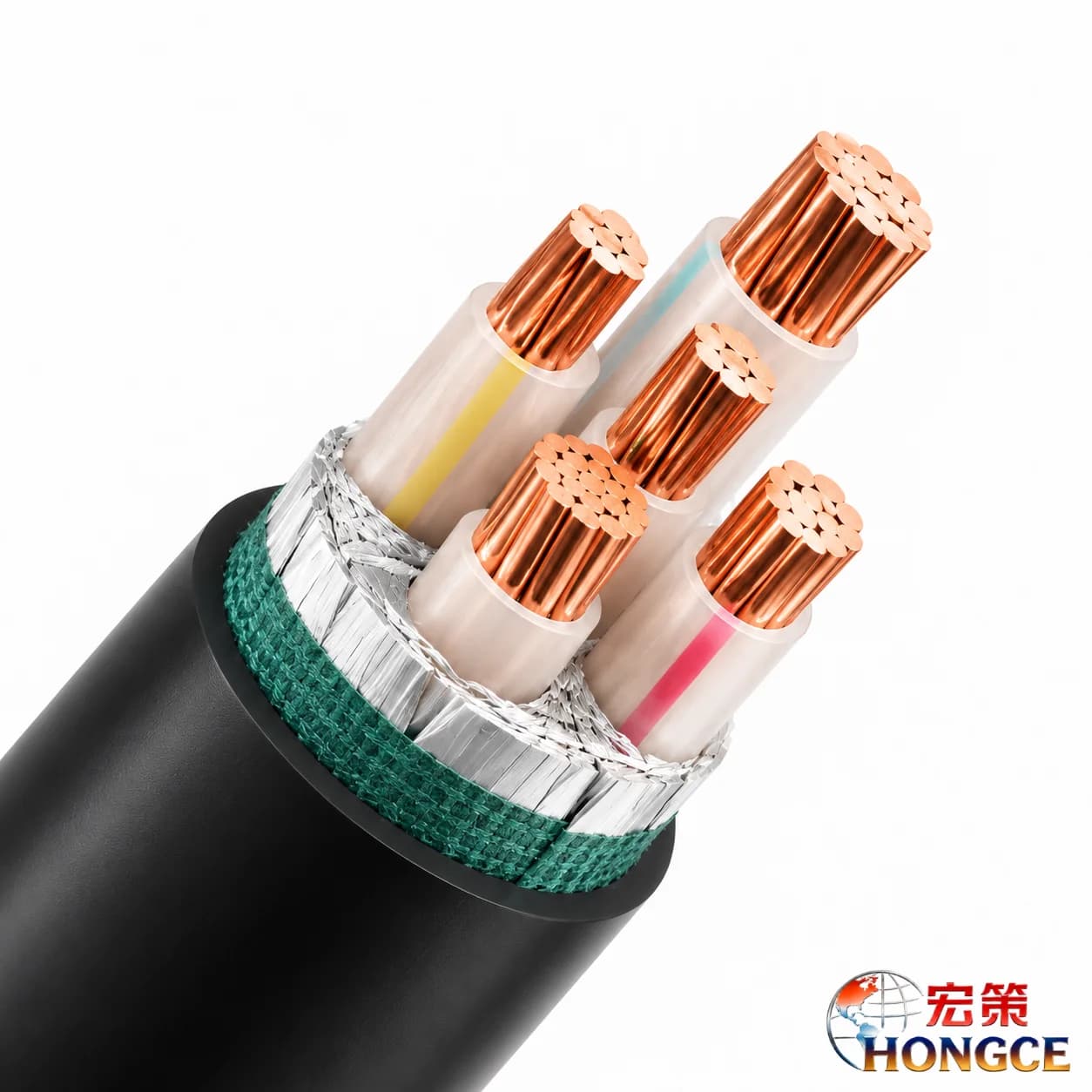
Low-Smoke Zero-Halogen cables engineered under GB/T 12706 (commonly designated as WDZ-YJY for non-armored or WDZN-YJY for fire-resistant types) utilize thermosetting XLPE insulation combined with polyolefin-based zero-halogen flame-retardant sheathing compounds.
- Explore Hongce Cable's full range of Low-Smoke Zero-Halogen (LSZH) Power Cables for commercial and industrial applications.
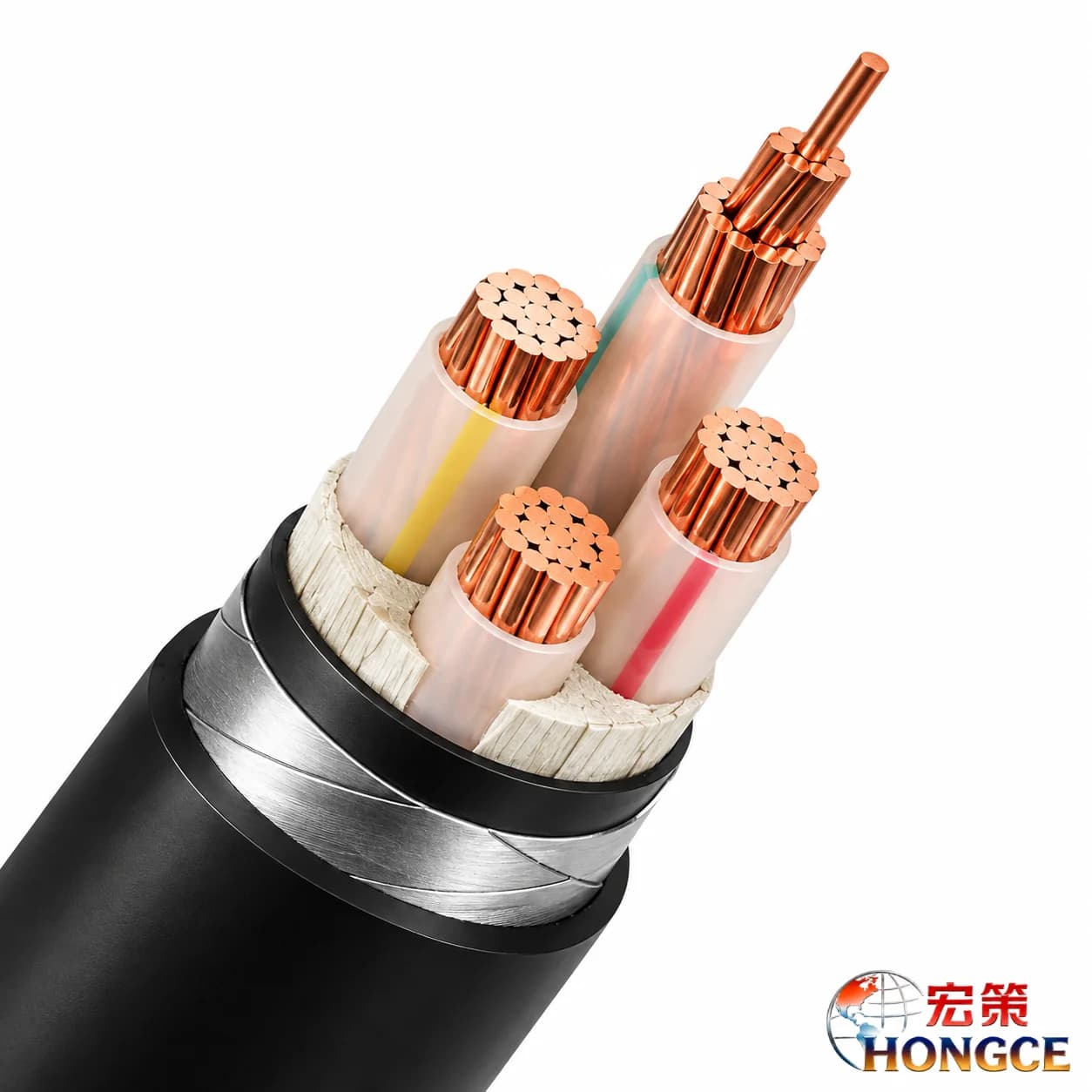
- For heavy underground or cable trench installations requiring physical protection against mechanical impact, review our Armored Power Cable (YJV22) Specifications.
How EPCs Can Avoid Overpaying for LSZH Cables in Thailand
Achieving cost optimization does not mean cutting corners on electrical insulation or flame-retardant compounding. Instead, smart procurement relies on eliminating supply chain inefficiencies and optimizing engineering choices.
Bypass Multi-Tier Distribution Markups
By partnering directly with a primary cable manufacturer that possesses a localized commercial entity in Thailand, EPC contractors eliminate 2 to 3 layers of intermediary markups.
Zhejiang Hongce Cable’s new local trading company structure allows Bangkok buyers to place purchase orders under local Thai commercial agreements while accessing factory-direct pricing from our massive China manufacturing base. This model effectively reduces total cable procurement costs by 12% to 22% compared to local off-the-shelf distributor sourcing.
Guard Against Hidden Quality Substitutions
A common cost trap in regional sourcing involves supplier material compromises, such as:
- Undersized Conductors: Reducing copper strand diameters slightly below nominal cross-sectional area.
- Low-Grade Sheathing Fillers: Over-loading sheathing compounds with cheap calcium carbonate making the cable brittle and prone to cracking under tropical humidity.
- Non-Compliant Halogen Content: Using modified PVC instead of true thermosetting polyolefin compounds to fake "low-smoke" properties.
Contractors can protect their projects by requiring batch testing protocols in accordance with standards published by international testing bodies, such as the International Electrotechnical Commission (IEC)and national authorities like the Thai Industrial Standards Institute (TISI).
Tropical Climate Customization: Anti-Termite and Moisture Protection
Bangkok's subterranean environment presents two distinct non-electrical hazards: extreme soil moisture/flooding and subterranean termite aggression. Standard commercial cables installed in underground duct banks often degrade within 36 months due to termite sheath penetration or water treeing in the insulation layer.
During our June 2026 market visit, Hongce’s engineering team verified that incorporating specialized non-toxic anti-termite chemical additives (such as specialized pyrethroid or piperonyl compounds) directly into the outer HDPE/LSZH jacket dramatically increases service life without compromising environmental safety.
- Learn more about specialized tropical formulations in our guide on Anti-Termite and Waterproof Underground Sheathing Solutions.
Technical Comparison: Selecting the Right LSZH Cable Family
To assist EPC design engineers and procurement officers working on Bangkok commercial tenders, the matrix below outlines the primary cable selection logic across common building application scenarios:
Main Feeder Lines & Risers (Dry/Indoor Riser Shafts)
- Recommended Specification: WDZ-YJY (XLPE Insulated, LSZH Sheathed Power Cable, 0.6/1kV or 6/10kV).
- Key Feature: High current-carrying capacity, flexible XLPE insulation, zero acid gas emission during combustion.
Emergency Fire Power & Life Safety Systems
- Recommended Specification: WDZN-YJY (Fire-Resistant LSZH Power Cable).
- Key Feature: Includes a synthetic mica tape heat barrier over the copper conductor. Capable of maintaining electrical circuit integrity for 90 to 120 minutes under direct flame temperatures of 750°C to 950°C (compliant with BS 6387 CWZ and IEC 60331 testing standards). Essential for emergency fire pumps, smoke extraction fans, and evacuation lighting systems.
HVAC, Building Management Systems (BMS) & Secondary Control
- Recommended Specification: GB/T 9330 / IEC 60502 Control Cables with tape or braided copper shielding.
- Key Feature: Shielded protection against Electromagnetic Interference (EMI) generated by large variable frequency drives (VFDs) and elevator motors in commercial towers.
- Check our complete product technical specs for Control Cables and Industrial Signal Cables.
Why Zhejiang Hongce Cable is Your Strategic Partner in Thailand
Building a resilient power infrastructure in Southeast Asia requires a cable supplier that offers both massive manufacturing scale and agile local support. Zhejiang Hongce Cable delivers a proven industrial track record:
Professional manufacturing base: Located in Deqing, Zhejiang, our modern production facility operates high-speed triple-extrusion lines, continuous vulcanization (CV) systems, and automated online spark testing equipment.
- Rigorous Quality Control: Every drum of medium- and low-voltage cable undergoes 100% partial discharge testing, conductor DC resistance verification, and high-voltage withstand testing prior to shipment.
- Direct Thai Market Presence: With our localized commercial operations in Thailand, EPC buyers eliminate intermediate brokerage fees, gain access to local tax invoicing, and receive on-site engineering support for project submittals and TISI compliance workflows.
Take the Next Step on Your Bangkok Project
Procuring compliant, high-performance LSZH cables for Bangkok's commercial buildings does not require overpaying local distribution networks. By understanding standard equivalencies between GB/T 12706, GB/T 3956, IEC 60502, and TISI, engineering teams can secure world-class power cables at direct factory costs.
Planning a commercial, data center, or infrastructure project in Thailand?
Contact the Hongce Cable technical engineering team today to request product data sheets, third-party test reports, or a competitive factory-direct quotation based on your project's Bill of Quantities (BOQ).
- Email:sales@hongcecable.com
- Website:www.hongcecables.com
- Factory Location: Deqing, Zhejiang Province, China
- Thailand Local Services: Inquire directly for our Thai commercial branch contact details and local delivery schedules.
About the Author
Liangce Chi currently serves as Southeast Asia Market Analyst at Zhejiang Hongce Cable Co., Ltd. His work involves in-depth research covering power infrastructure construction across Southeast Asia, price trends of bulk commodities, and cross-border cable trade compliance. Combining insights from macroeconomic data with extensive hands-on cross-border trade experience, Liangce Chi goes beyond theoretical research and conducts on-site assessments of industrial manufacturing investment climates in Thailand, Vietnam, Indonesia and other Southeast Asian markets. Drawing on his professional work, he secured bulk orders from well-established Thai enterprises for Zhejiang Hongce Cable. This landmark achievement has laid a solid quantitative foundation for the company to further expand its market share of industrial building support cables in Thailand and the broader Southeast Asian region.
Frequently Asked Questions
Do GB/T-certified LSZH cables meet Thailand's TISI compliance requirements for Bangkok projects?+
How can EPC contractors buy directly from the factory without complex import procedures in Thailand?+
What is the difference between WDZ-YJY and WDZN-YJY cables, and where should each be specified?+
How do Hongce’s cables withstand Bangkok’s high humidity and subterranean termite hazards?+
Keep Reading
How to Verify 99.95% Oxygen-Free Copper in Bulk Cable Sourcing
Avoid dangerous cable failures in data centers and renewable energy projects by verifying 99.95% pure OFC. This guide details 5 essential quality checks for bulk cable sourcing, including DC resistance and spectrometry. Learn to spot inferior standard copper and CCA to protect your infrastructure investments. Ensure your electrical systems run safely with these expert B2B procurement strategies.
Anti-Termite & Waterproof: Cable Sheathing Materials Guide for Southeast Asian Underground Projects
Southeast Asia’s tropical climate threatens underground cables. Learn anti-termite & waterproof sheathing solutions from Hongce Cable’s proven $110K project.