IEC-Based Wire Sizing for Indonesian Buildings: A Contractor's Guide
This article analyzes electrical wire selection for tropical buildings in Indonesia and its alignment with IEC standards. Using Hongce Cable's Jakarta project as a case study, it highlights the adoption of 99.95% Oxygen-Free Copper (OFC) and high-precision insulation technology to overcome the challenges of high temperatures and extreme humidity, delivering customized cable solutions.
In modern construction, electrical system planning directly impacts building safety, operational costs, and long-term reliability. For Engineering, Procurement, and Construction (EPC) contractors operating in Indonesia, the unique tropical climate and diverse architectural structures make electrical design highly demanding. Accurately sizing electrical wires according to International Electrotechnical Commission (IEC) standards is essential for ensuring project quality and regulatory compliance.
Why Choosing the Right Wire Size Matters
Undersizing electrical wires creates excessive internal resistance. Under high loads, this resistance generates heat, accelerating insulation degradation and significantly increasing the risk of electrical fires. Conversely, oversizing cables inflates material costs, complicates installation in tight conduits, and strains project budgets. Selecting the optimal cross-sectional area ensures long-term operational stability while maximizing cost-efficiency for the entire project.
Key Factors Influencing Electrical Wire Sizing in Tropical Climates
Determining the correct wire gauge goes beyond simply checking a standard chart. It requires calculating specific environmental and physical variables:
- Current Load (Ampacity): The baseline metric, calculated from the total wattage of all devices connected to the circuit.
- Ambient Temperature Derating: Indonesia experiences year-round high temperatures (averaging 28°C to 35°C) and high humidity (70-90%). High ambient heat reduces a cable's ability to dissipate internal heat. Standard ampacity charts must be adjusted using specific temperature derating factors to prevent overheating.
- Installation Method: Whether cables are enclosed in PVC conduits, laid in ventilated cable trays, or buried underground drastically changes their thermal conductivity.
- Voltage Drop Limitations: For expansive commercial buildings or industrial facilities, long cable runs cause voltage decay. Industry standards typically limit voltage drop to a maximum of 3% to 5% to ensure end-point equipment functions correctly.
IEC Standards and Local Compliance for Wire Selection
In Indonesia, local electrical safety regulations, such as PUIL (Persyaratan Umum Instalasi Listrik), are heavily aligned with international frameworks. IEC 60364-5-52 (Electrical installations of buildings - Selection and erection of electrical equipment - Wiring systems) is the definitive standard for wire sizing. It details the maximum continuous current-carrying capacity across various conductor materials, insulation types, and installation methods. Adhering to IEC guidelines ensures that your procurement meets Indonesian regulatory approvals and achieves global safety benchmarks.
Recommended Wire Sizes for Common Building Applications in Indonesia
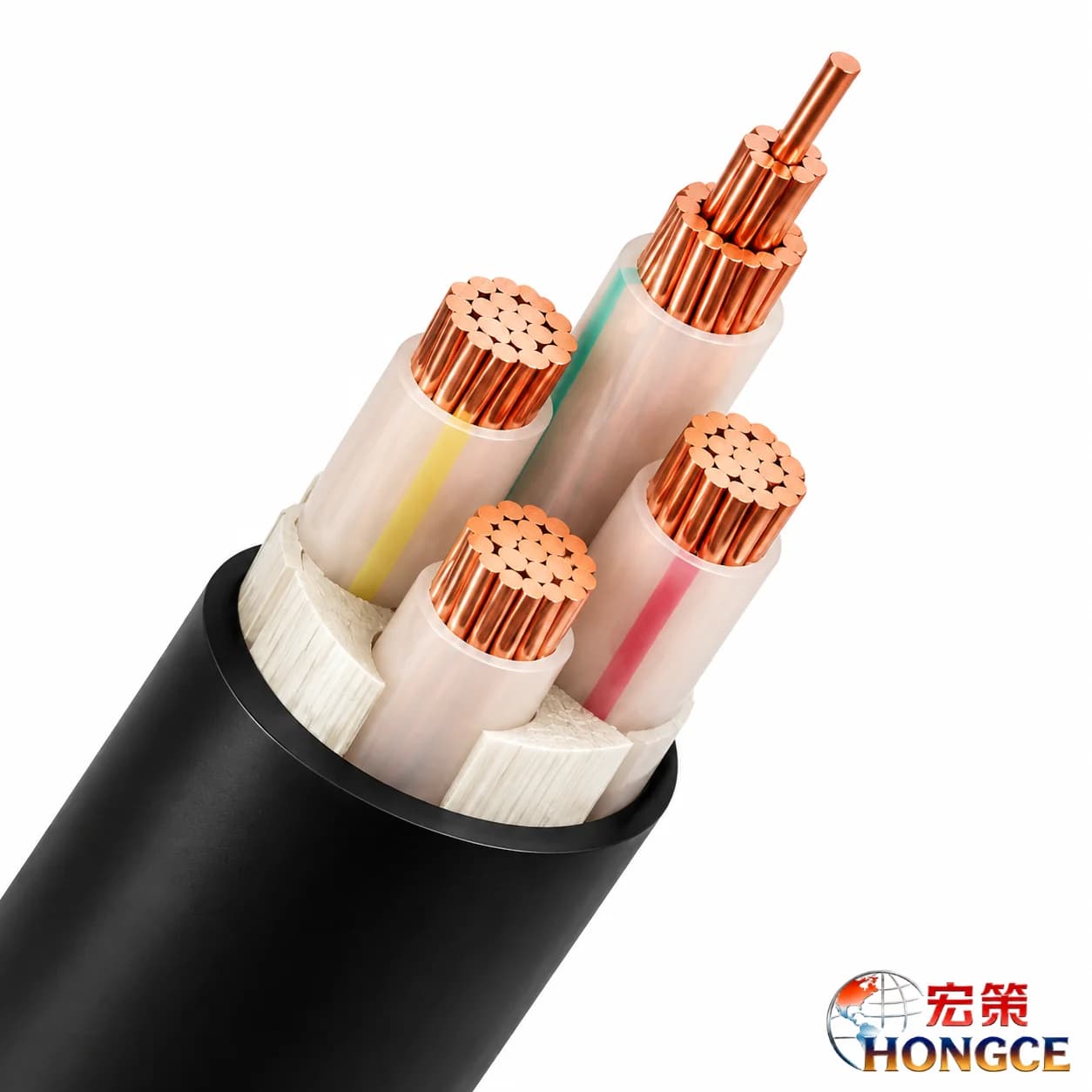
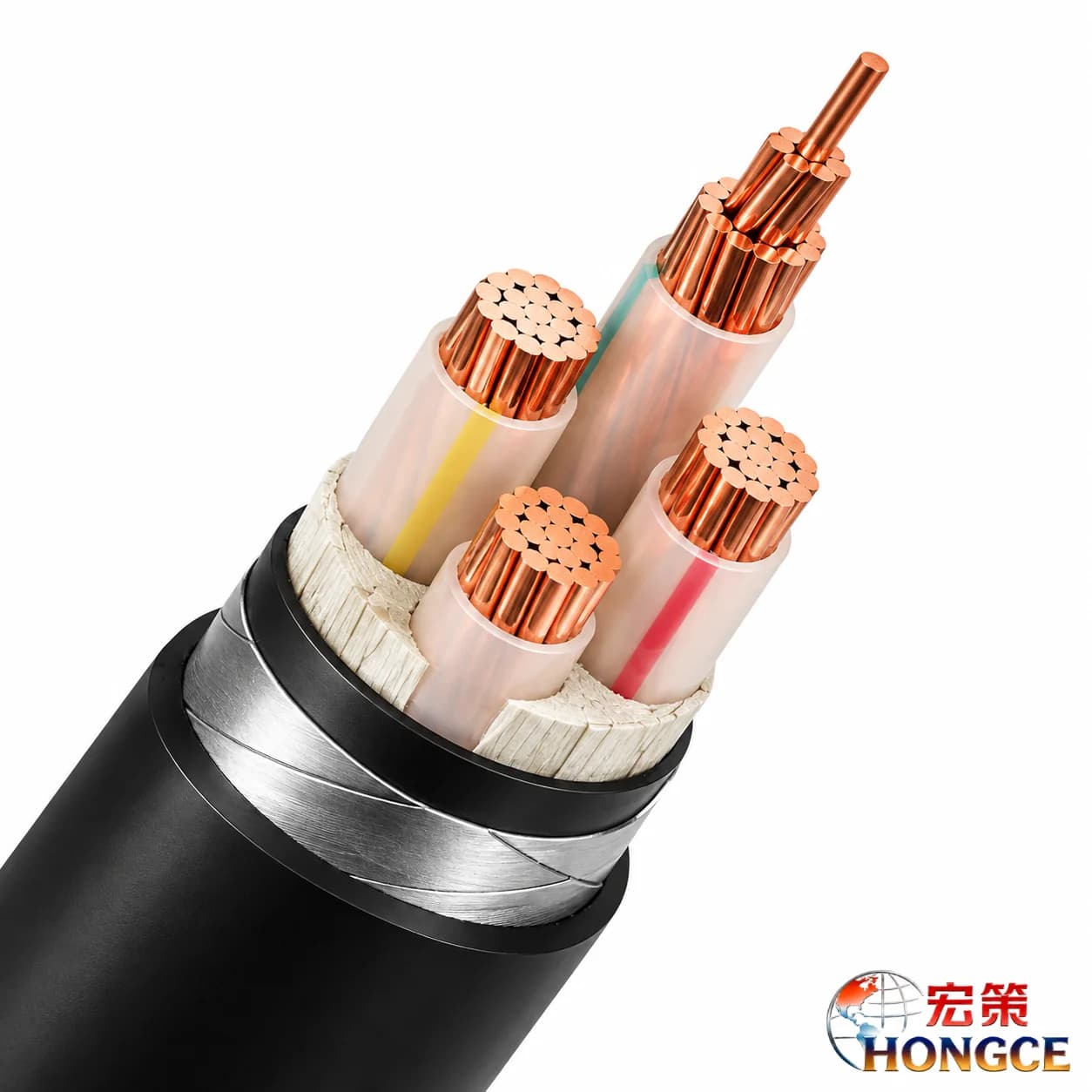
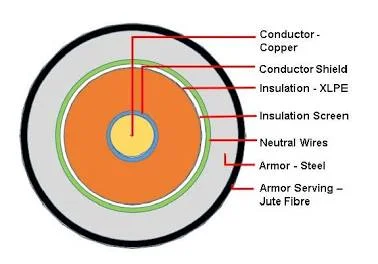
Based on IEC frameworks and typical Indonesian residential and commercial power demands, the following are standard recommendations for copper wiring. For modern commercial infrastructure, contractors are increasingly shifting from standard PVC to XLPE (Cross-linked Polyethylene) insulation, which withstands higher operating temperatures (up to 90°C compared to PVC's 70°C).
Application | Recommended Size (mm²) | Common Cable Types |
|---|---|---|
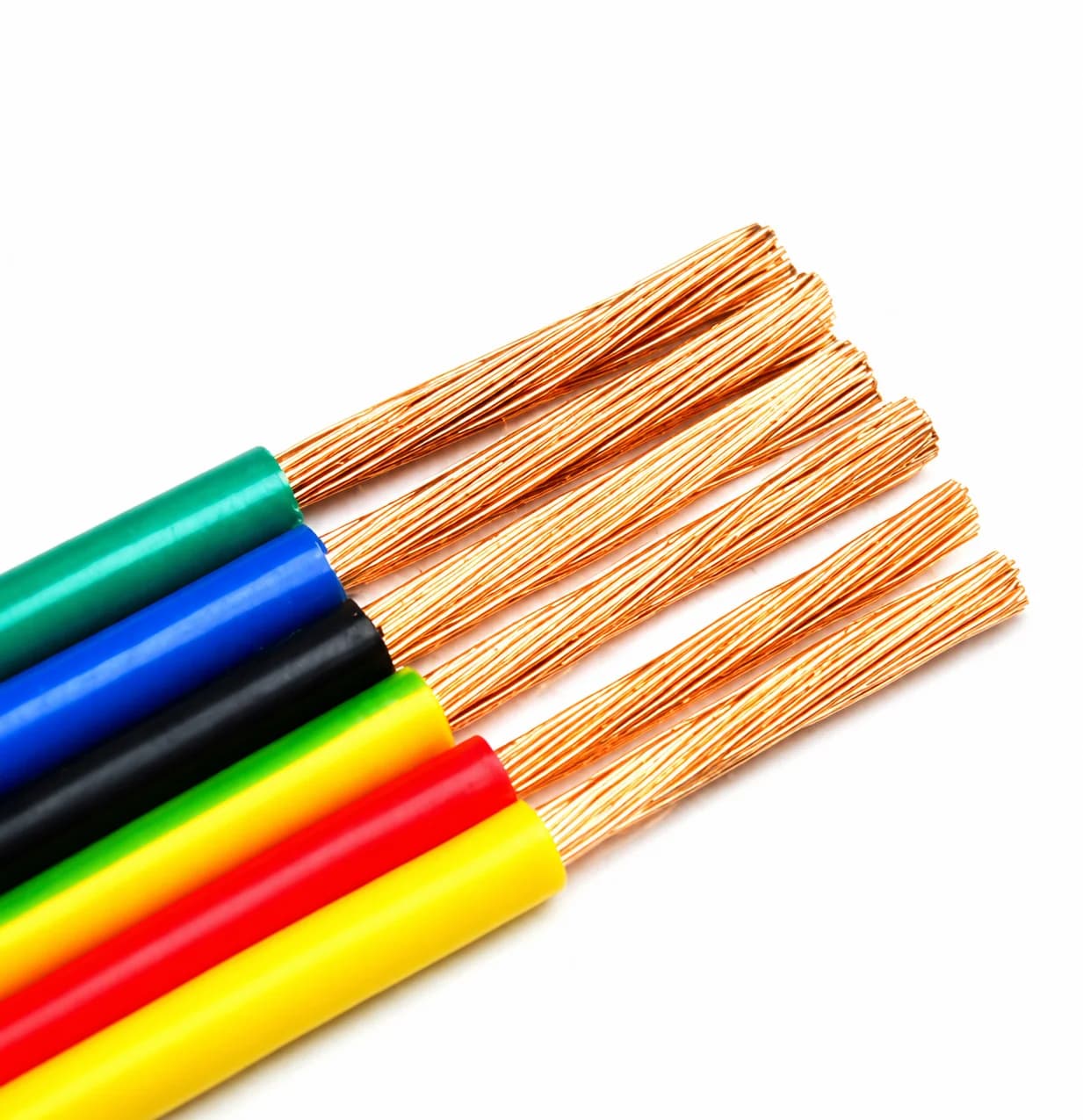
Indoor Lighting Circuits | 1.5 | NYA / NYM / WDZ-YJY |
General Power Outlets | 2.5 | NYM / NYY / YJV |
AC Units / Heavy Appliances | 4.0 - 6.0 | NYY / YJV |
Main Distribution Feeder | 10.0 and above | YJV / YJV22 |
Common Mistakes When Selecting Electrical Wires
Field installations frequently suffer from sizing miscalculations. Common pitfalls include:
- Ignoring the Ambient Temperature Factor: Applying ampacity tables designed for 20°C temperate climates to a 35°C Indonesian job site. This guarantees the cables will run hot, shortening their lifespan.
- Overfilling Conduits: Stuffing too many wires into a single pipe eliminates airflow. IEC standards require derating the current capacity when multiple circuits are bundled together.
- Accepting Sub-Standard Copper: Low-grade copper contains impurities that increase electrical resistance, causing unexpected voltage drops and heat generation.
Why Choose IEC-Certified Copper Wires (and XLPE/LSZH)?
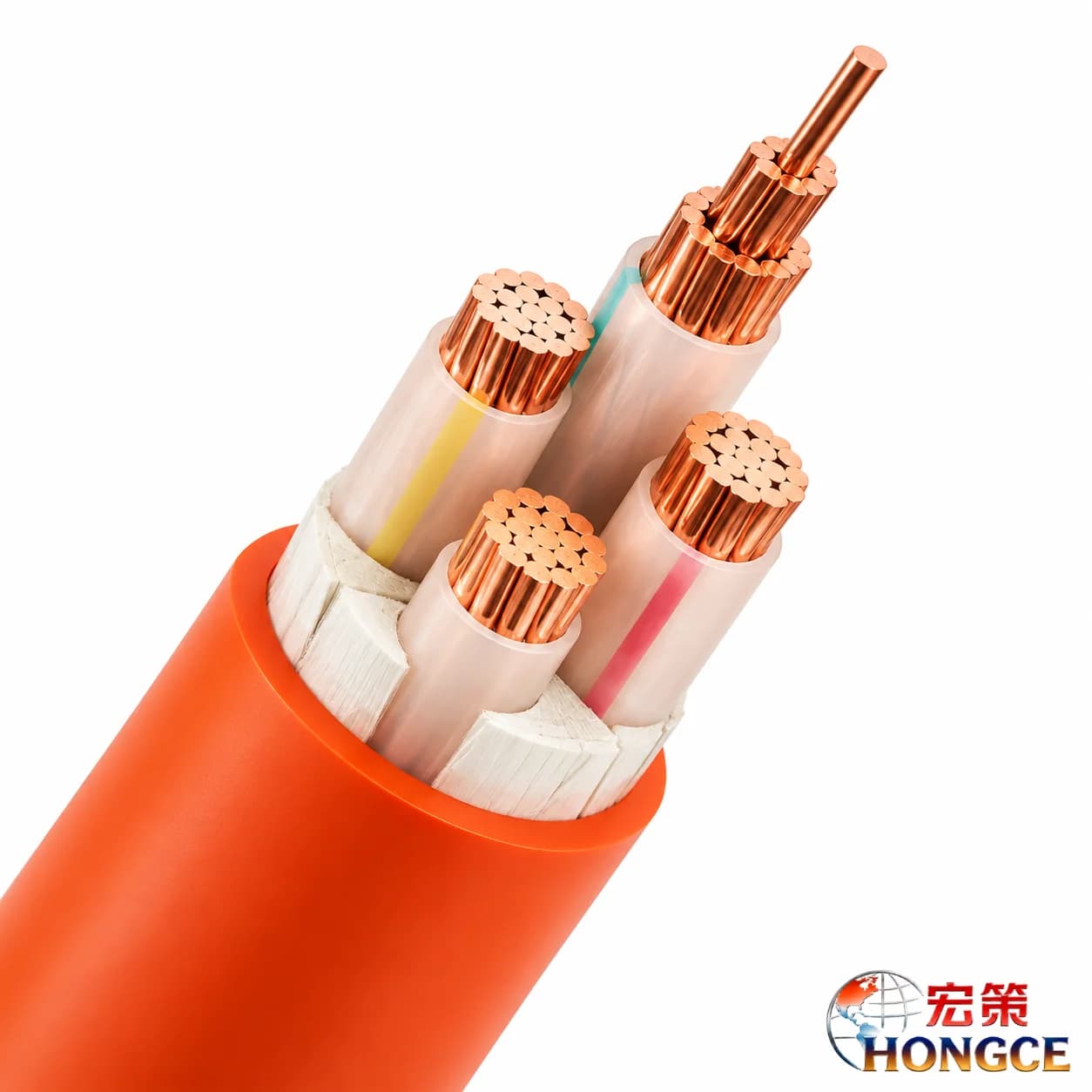
Copper offers superior electrical conductivity and mechanical flexibility. IEC-certified copper wires guarantee high purity, minimizing energy loss. Furthermore, for high-density buildings or data centers, selecting premium insulation is just as vital as the conductor. Low-Smoke Zero-Halogen (LSZH) cables prevent the release of toxic gases during a fire, while XLPE insulation provides the thermal resilience needed to handle heavy loads in unventilated tropical spaces.

Engineering in Practice: A Hongce Cable Case Study in Indonesia
At Zhejiang Hongce Cable Co., Ltd., we understand that off-the-shelf products cannot overcome every geographical challenge. That is why we are committed to engineering customized electrical solutions tailored to specific regional environmental demands.
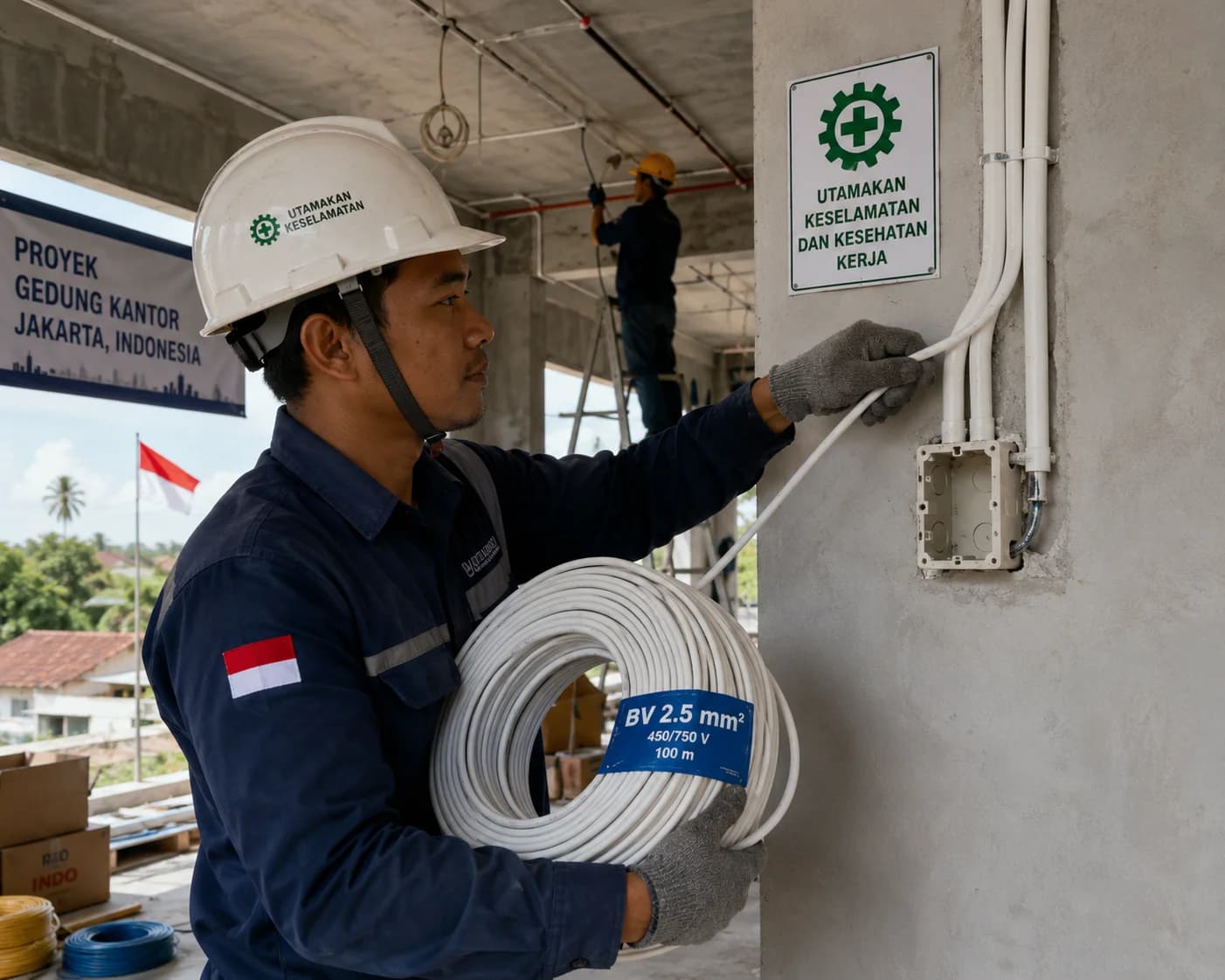
On May 26, 2026, our team partnered with a major Indonesian construction firm, successfully securing a 350,000 RMB contract to supply electrical wires and cables for a commercial facility in Jakarta. The core engineering challenge of this project was clear: ensuring the absolute, long-term safety of the electrical system within a tropical climate characterized by continuous high temperatures and extreme humidity.
However, the initial phase of the partnership required overcoming a technical hurdle. After a remote evaluation of our standard cable samples, the Indonesian construction company expressed concerns, suspecting the insulation thickness fell short of their expected standards and questioning its field applicability. Rather than making verbal assurances, our technical team immediately initiated a rigorous review protocol. We conducted high-precision measurements of the insulation layers on-site and presented the client with comprehensive parameter data, quality inspection reports, and IEC compliance documentation. The data conclusively proved that our products not only fully met the insulation thickness requirements but also exceeded local standards in terms of uniformity and consistency. This prompt response and transparent data presentation successfully eliminated the client's concerns, allowing the procurement process to proceed smoothly.
To further align with the severe local installation conditions, our technical team implemented targeted manufacturing optimizations alongside our guaranteed baseline quality:
- 99.95% Oxygen-Free Copper (OFC) Conductors: We utilized ultra-high-purity oxygen-free copper for the entire order. By eliminating trace impurities, we maximized the International Annealed Copper Standard (IACS) conductivity rating. This fundamentally reduced the internal resistance of the cables, effectively suppressing self-heating even when operating near peak load in Jakarta's high ambient temperatures.
- Precision-Extruded Insulation Layers: High-humidity environments aggressively exploit microscopic flaws in cable jacketing, significantly increasing the risk of partial discharge or short circuits. To counter this, we engaged high-precision extrusion lines to guarantee absolute uniformity in the PVC and XLPE insulation thickness, eliminating any weak spots. This dedication to manufacturing excellence provided the contractor with a highly weather-resistant and reliable wiring network, fully capable of withstanding the rigors of a continuously damp environment.
Whether supplying standard residential developments or engineering solutions for complex commercial facilities, Hongce Cable remains focused on delivering customized, IEC-compliant, and field-tested electrical connectivity products. We safeguard your projects through actionable, proven engineering.
About the Author
Liangce Chi currently serves as Southeast Asia Market Analyst at Zhejiang Hongce Cable Co., Ltd. His work involves in-depth research covering power infrastructure construction across Southeast Asia, price trends of bulk commodities, and cross-border cable trade compliance. Combining insights from macroeconomic data with extensive hands-on cross-border trade experience, Liangce Chi goes beyond theoretical research and conducts on-site assessments of industrial manufacturing investment climates in Thailand, Vietnam, Indonesia and other Southeast Asian markets. Drawing on his professional work, he secured bulk orders from well-established Thai enterprises for Zhejiang Hongce Cable. This landmark achievement has laid a solid quantitative foundation for the company to further expand its market share of industrial building support cables in Thailand and the broader Southeast Asian region.