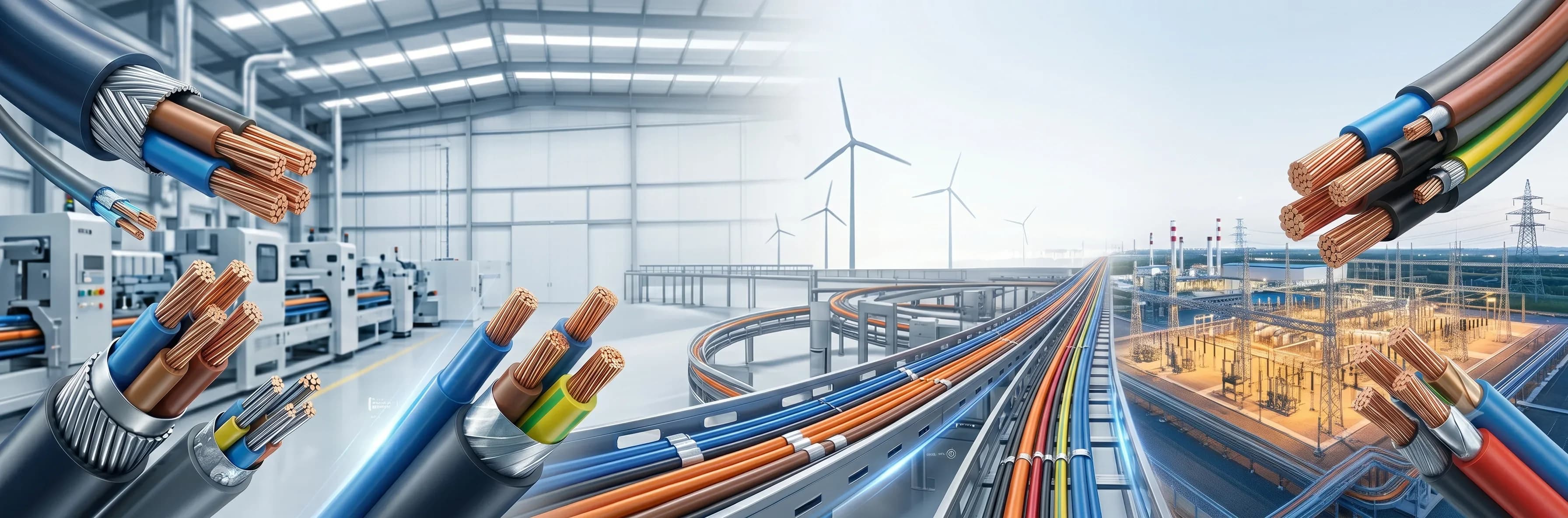
How to Import Industrial Cables from China to Thailand: Lead Time and Logistics Tips
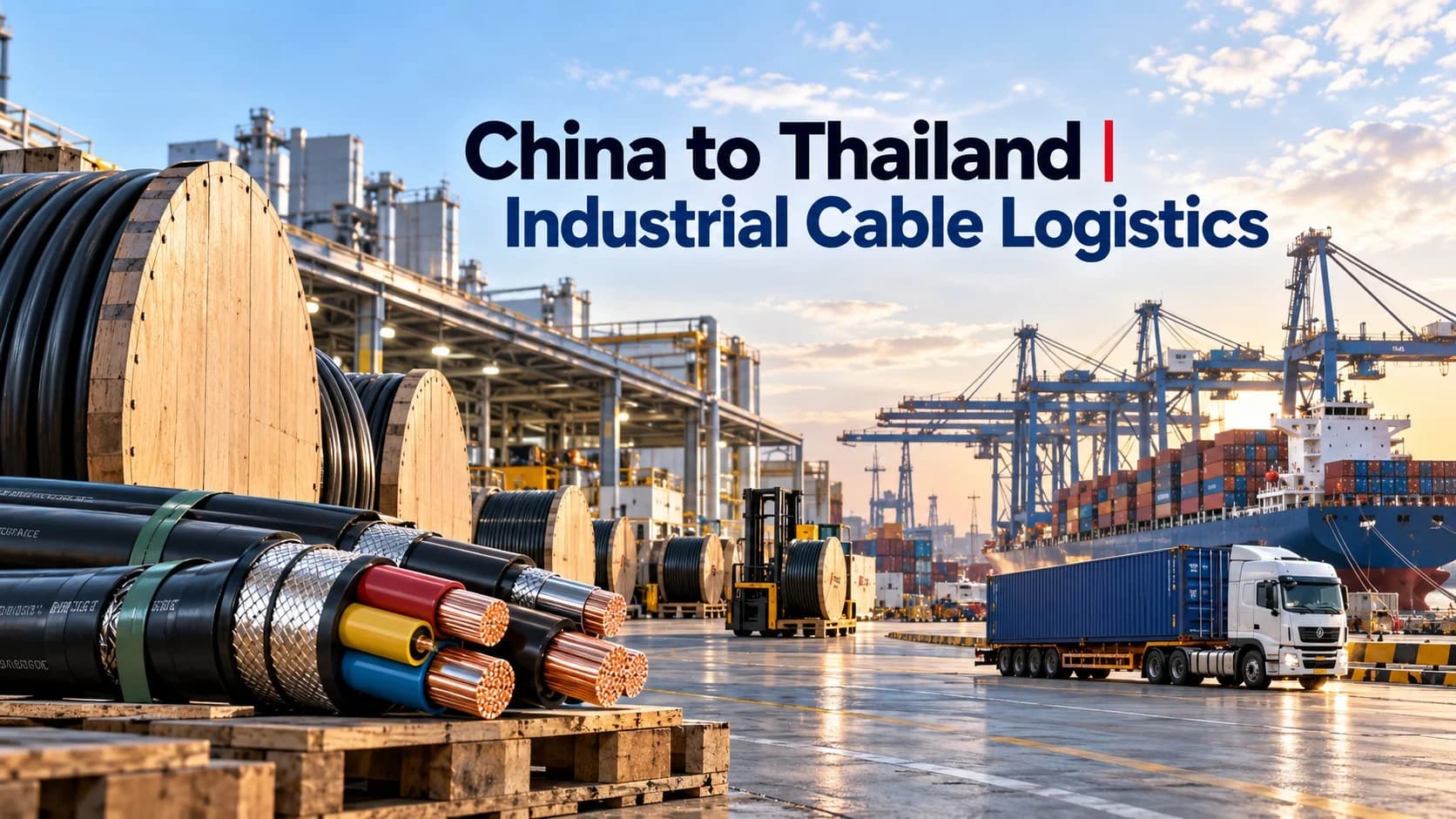
Importing industrial power cables from China to Thailand demands careful logistics planning. This guide outlines essential steps: verifying IEC standards, tracking total production and shipping lead times, using heavy-duty tropical packaging to prevent moisture damage, and leveraging Form E for customs duty savings. Rely on Hongce Cable to keep your electrical projects on schedule and budget.
Imagine this scenario: Your construction site in Bangkok or the EEC region is fully prepared for electrical installation, but your crucial power cable shipment is delayed at the port, or worse, the wooden drums arrive with moisture-damaged insulation. For electrical contractors and project procurement managers, a delayed cable delivery does not just mean waiting—it means halted job sites and costly daily penalties.
As Thailand grows fast with new industrial and renewable energy projects, the demand for reliable, high-performance industrial cables is higher than ever. Sourcing power cables directly from overseas manufacturers is a smart way to manage project budgets, but importing heavy goods like low-voltage (LV) and medium-voltage (MV) power cables from another country requires careful planning.
Buyers often worry about factory lead times, sea shipping schedules, strong packaging, and customs rules.
At Hongce Cable, we help global project managers keep their supply chains steady. Drawing from our years of experience exporting to various countries, this simple guide will help you import industrial cables from China to Thailand smoothly, safely, and on schedule.

Step 1: Check Standards and Suppliers
Before you place an order, you must check if the manufacturer's products match your project requirements. Getting the wrong specs can cause major delays at Thai ports.
Confirming IEC and Local Standards
Most industrial projects in Thailand follow international rules like the International Electrotechnical Commission (IEC)standards. Furthermore, broader electrical system designs often align with engineering benchmarks established by the Institute of Electrical and Electronics Engineers (IEEE)
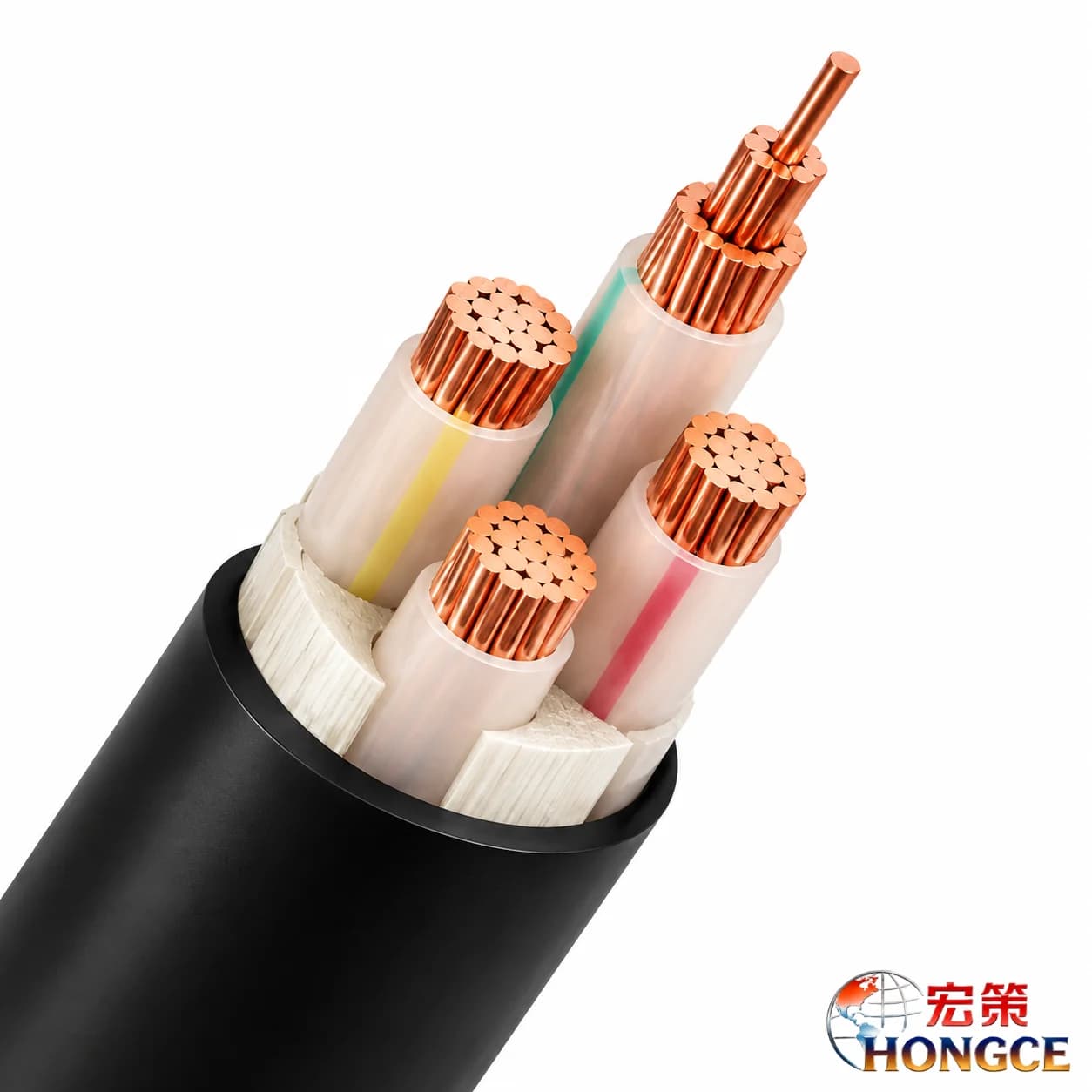
When choosing an XLPE power cable manufacturer, always check these key points:
- Conductor Material: Make sure it is pure annealed copper or quality aluminum.
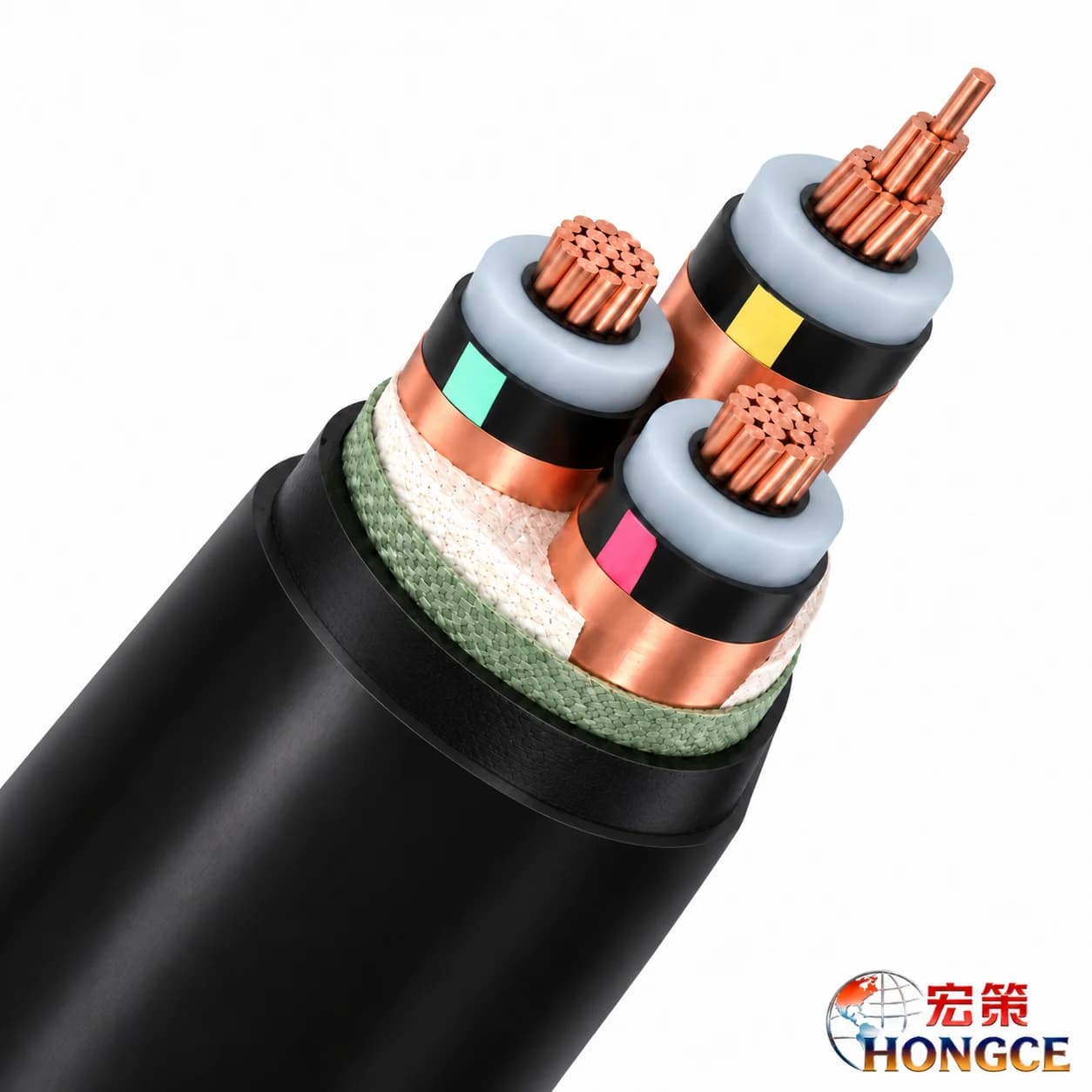
- Insulation Layers: Check for Cross-linked Polyethylene (XLPE) for heat stability, and PVC or Low Smoke Zero Halogen (LSZH) outer jackets for fire safety.
Requesting Specs and Samples
A trusted power cable manufacturer will always share clear technical data sheets (TDS). These show insulation thickness and current capacity.
Always ask for physical samples before buying a large bulk order. This lets your engineering team test the quality first.
Step 2: Understand the Total Lead Time
Knowing how long your order will take from start to finish helps prevent costly project delays.
Production Time vs. Shipping Time
- Production Time (15–25 Days): Factories need time to make your order, depending on the volume and cable type, such as control cables or power lines.
- Sea Shipping (7–12 Days): Shipping from major Chinese ports (like Ningbo or Shanghai) to Thailand ports (like Laem Chabang Port) usually takes about a week or two.
- Customs and Delivery (3–5 Days): Always allow a few extra days for port handling, customs checks, and trucking to your job site.

Tips to Avoid Delays
- Avoid Holiday Rushes: Plan around major Chinese holidays like Lunar New Year, which can slow down factory schedules and port space.
- Double-Check Paperwork: Make sure your invoices and packing lists match your physical cargo perfectly to avoid clearance delays at Laem Chabang.
Technical Reference: Common Export Cable Specs
The table below shows standard cable types used in commercial and industrial projects to help you match your project needs.
Cable Type | Standard Reference | Voltage Rating | Insulation / Sheath | Typical Industrial Application |
XLPE Power Cable | IEC 60502-1 | 0.6/1 kV | XLPE / PVC | Main factory power, underground lines |
Control Cable | IEC 60227 / IEC 60502 | 300/500V or 450/750V | PVC / PVC | Signal monitoring, automation machines |
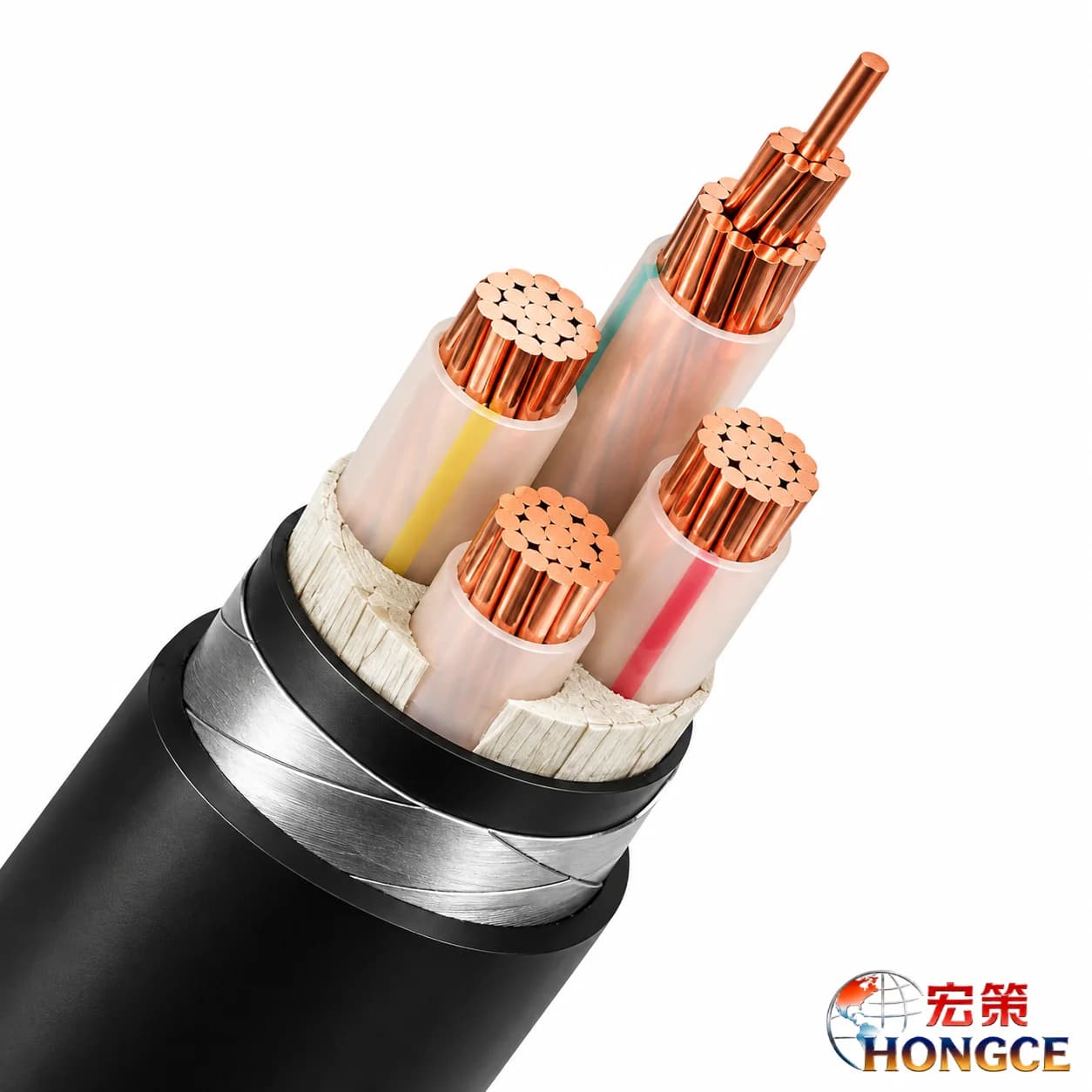
Armored Power Cable | IEC 60502-1 (SWA/STA) | 0.6/1 kV | XLPE / PVC with Steel Wire/Tape | Direct burial, heavy-duty industrial yards |
Overhead Conductor | ASTM / IEC 61089 | N/A (Bare Conductor) | AAC / ACSR (Aluminum Conductor Steel Reinforced) | Overhead transmission lines, regional grids |
Step 3: Shipping and Packaging Tips
Cables are very heavy and dense. They need proper packaging so the copper and insulation do not get damaged during long trips.
Choosing the Right Container (FCL)
For industrial cable drums, Full Container Load (FCL) shipping (using 20GP or 40GP containers) is always best.
FCL protects your goods from sea spray, reduces handling damage, and costs less per meter than shared shipping options.
Strong Wooden Drums for Tropical Weather
Thailand has high humidity and heavy rain seasons. Because of this, cables need extra protection during storage.
At Hongce Cable, we use heat-treated, fumigated wooden drums.
- We add waterproof layers and protective outer boards to keep moisture away.
- We secure every drum tightly inside the container so it will not shift during rough sea travel to Thai ports like Rayong or Chonburi.
Step 4: Thai Customs and Paperwork
Clearing customs in Thailand is simple when your paperwork is correct.
Required Shipping Documents
- Commercial Invoice & Packing List: Must show exact lengths, weights, and drum numbers.
- Bill of Lading (B/L): Issued by your shipping carrier.
- Mill Test Certificate (MTC): Proves the cables passed quality tests.

Saving Money with Form E (ACFTA)
Under the ASEAN-China Free Trade Area (ACFTA) agreement, many goods made in China can get reduced or zero import duties in Thailand.
Always ask your supplier for a correct Form E (Certificate of Origin) before shipment. This helps lower your total project costs. To learn more about global trade rules, visit the World Trade Organization (WTO).
Conclusion & Next Steps
Importing industrial cables from China to Thailand is easy when you plan ahead. Focus on clear standards, good lead times, strong packaging, and correct customs paperwork.
Working with an experienced manufacturer helps you balance quality, budget, and delivery speed.
- Planning a new project in Thailand? Check our range of power cables, view our certifications and compliance standards, or contact the Hongce Cable engineering team today for a fast price quote and shipping schedule.
About the Author
Liangce Chi currently serves as Southeast Asia Market Analyst at Zhejiang Hongce Cable Co., Ltd. His work involves in-depth research covering power infrastructure construction across Southeast Asia, price trends of bulk commodities, and cross-border cable trade compliance. Combining insights from macroeconomic data with extensive hands-on cross-border trade experience, Liangce Chi goes beyond theoretical research and conducts on-site assessments of industrial manufacturing investment climates in Thailand, Vietnam, Indonesia and other Southeast Asian markets. Drawing on his professional work, he secured bulk orders from well-established Thai enterprises for Zhejiang Hongce Cable. This landmark achievement has laid a solid quantitative foundation for the company to further expand its market share of industrial building support cables in Thailand and the broader Southeast Asian region.