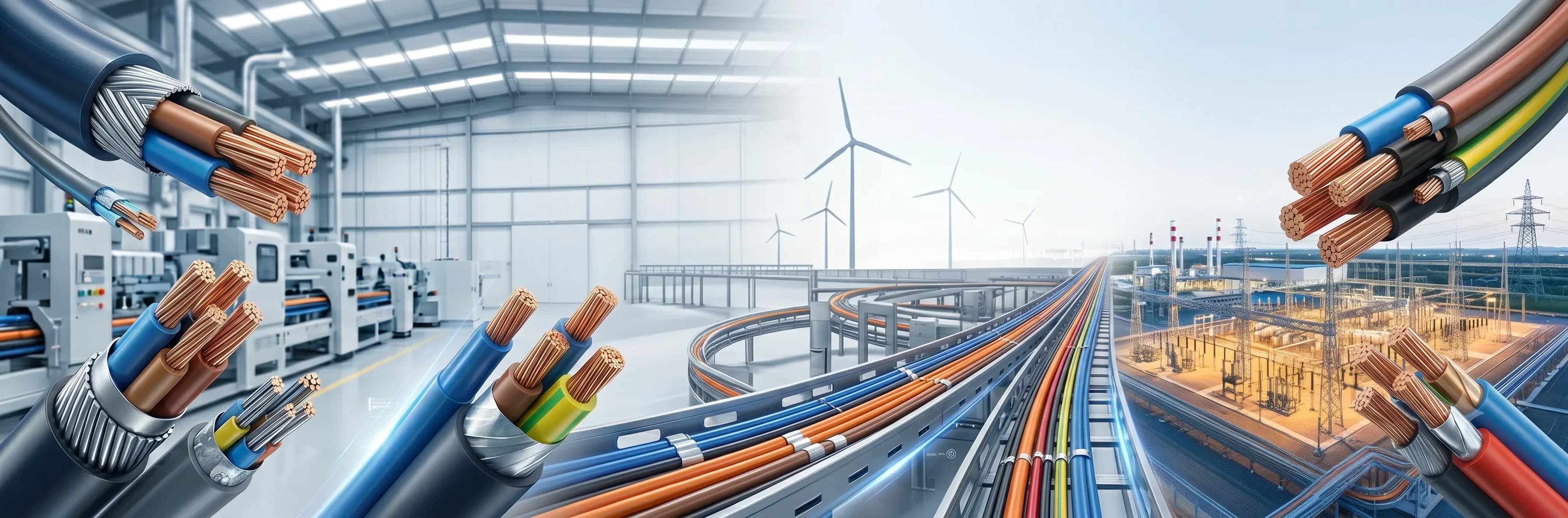
How Do You Choose the Right Flame Retardant Cables for Singapore Projects Under SS 299:2021?
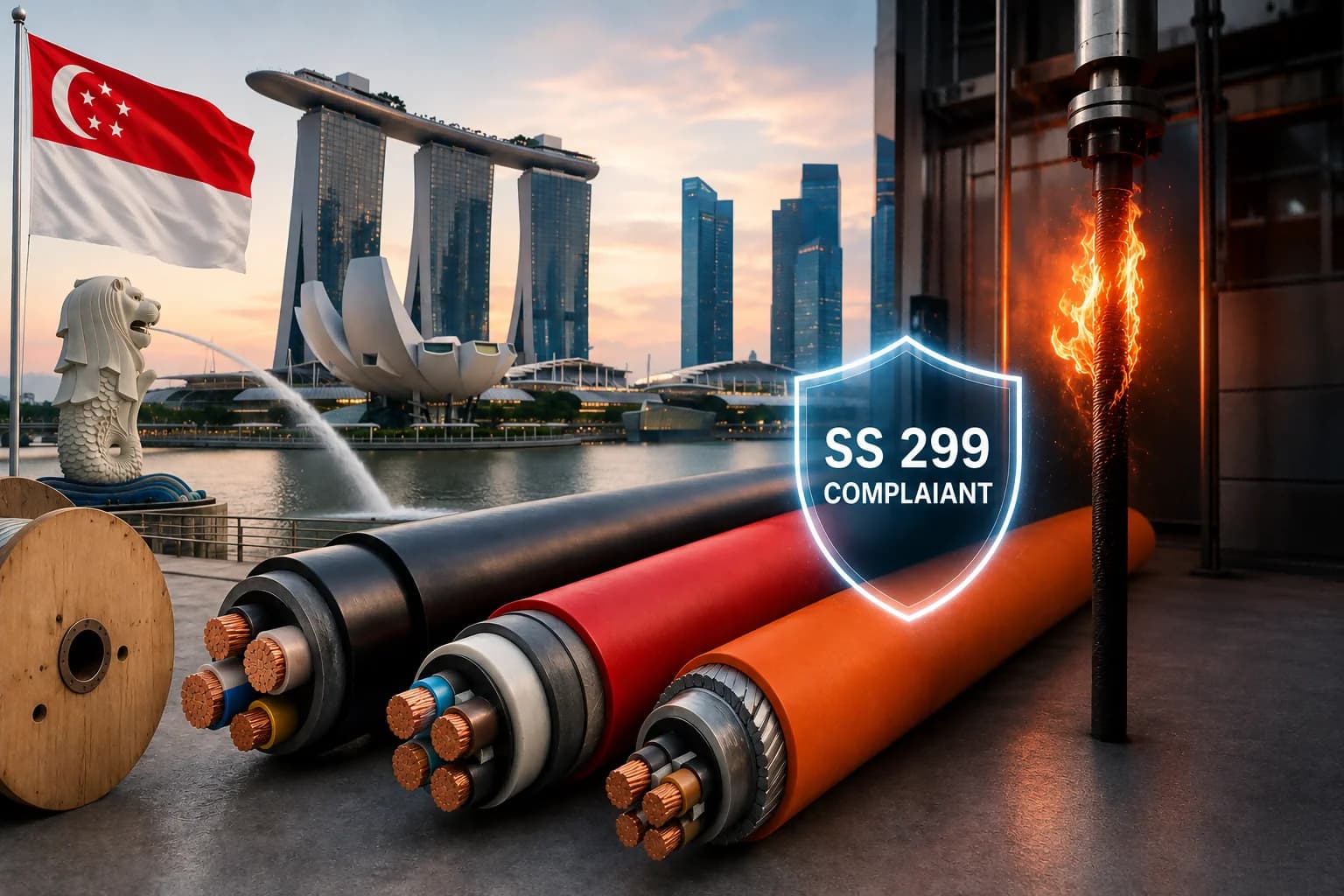
How to Select Singapore Infrastructure Cables? This article provides an in-depth analysis of the SS 299 standard, CWZ fire resistance testing, and LSZH selection guidelines. Partnering with Zhejiang Hongce, a TUV-certified manufacturer, we help you avoid compliance risks and create an ultra-safe engineering solution!
To select suitable fire-resistant cables for Singapore projects in accordance with Standard SS 299:2021, three key factors must be rigorously evaluated: strict compliance with local fire safety testing protocols, adoption of Low Smoke Zero Halogen (LSZH) and Cross-Linked Polyethylene (XLPE) materials, and possession of verifiable authoritative third-party certifications such as TUV. For EPC contractors and electrical engineers, selecting the correct cables is not merely to guarantee routine power supply; more importantly, it ensures that electrical infrastructure can curb flame spread, minimize toxic fumes, and maintain the integrity of critical circuits in the event of a fire, so as to safeguard human lives and core equipment.
Introduction: The Critical Role of SS 299:2021 in Singapore’s Infrastructure Projects
Singapore’s infrastructure landscape is evolving rapidly. With the explosive growth of hyperscale AI data centers and the advancement of regional grid interconnection projects, the demand for uncompromising electrical safety standards has never been more urgent.
Against this backdrop, the SS 299:2021 standard—Singapore's specific code for fire-resistant and flame-retardant cables—serves as the ultimate benchmark. It plays a core role in preventing the spread of fire and protecting both human life and highly sensitive data equipment. For modern EPC contractors, sourcing low-smoke zero-halogen (LSZH) and cross-linked polyethylene (XLPE) insulated cables that comply with SS 299:2021 is not merely a regulatory checkpoint;The demand for electrical safety standards has become increasingly important.
What is SS 299:2021? Understanding Singapore's Stringent Cable Standards
To navigate the Singaporean market, one must first understand what sets the SS 299:2021 standard apart from older versions or general international standards like IEC 60331 or BS 6387.
Fire Resistance vs. Flame Retardance
It is vital to distinguish between these two technical concepts, as SS 299 comprehensively addresses both:
- Flame Retardance: The cable's ability to restrict the spread of fire. Once the external fire source is removed, the cable self-extinguishes.
- Fire Resistance: The cable's ability to maintain circuit integrity and continue transmitting power even while being directly engulfed in flames.

- The CWZ Test Category
To meet the stringent requirements for high-rise commercial buildings and critical facilities in Singapore, cables are frequently subjected to the rigorous CWZ testing protocol:
- C (Fire): Resistance to fire at 950°C for 3 hours.
- W (Water): Resistance to fire accompanied by water spray.
- Z (Shock): Resistance to fire accompanied by mechanical shock.
Meeting the highest testing tier ensures that the cabling system will survive the most chaotic fire emergency scenarios, a standard strongly advocated by authorities such asEnterprise Singapore, the national standards body.
Key Factors in Selecting Flame Retardant Cables for the Singapore Market
When planning procurement for complex application scenarios, EPCs should focus on the following key variables:
Material Composition: The Shift to LSZH and XLPE
In confined spaces such as underground utility grids and dense data centers, toxic smoke is often deadlier than fire. Low Smoke Zero Halogen (LSZH) materials are mandatory because they release minimal toxic gases and ensure high light transmittance, aiding emergency evacuations. Furthermore, Cross-Linked Polyethylene (XLPE) insulation is preferred for its superior thermal endurance and extended life cycle, allowing cables to handle the high electrical loads typical of modern power transmission networks.
Application Specifics: Data Centers, Renewable Energy, and Smart Grids
Different projects demand customized solutions. For hyperscale AI data centers, high-density power cables that minimize heat buildup are required. For renewable energy initiatives like solar photovoltaic (PV) projects and smart grid connections, cables must meet specific localized requirements for environmental durability and fire safety under prolonged outdoor and indoor hybrid usage.
Armored vs. Unarmored: Navigating Complex Installation Environments
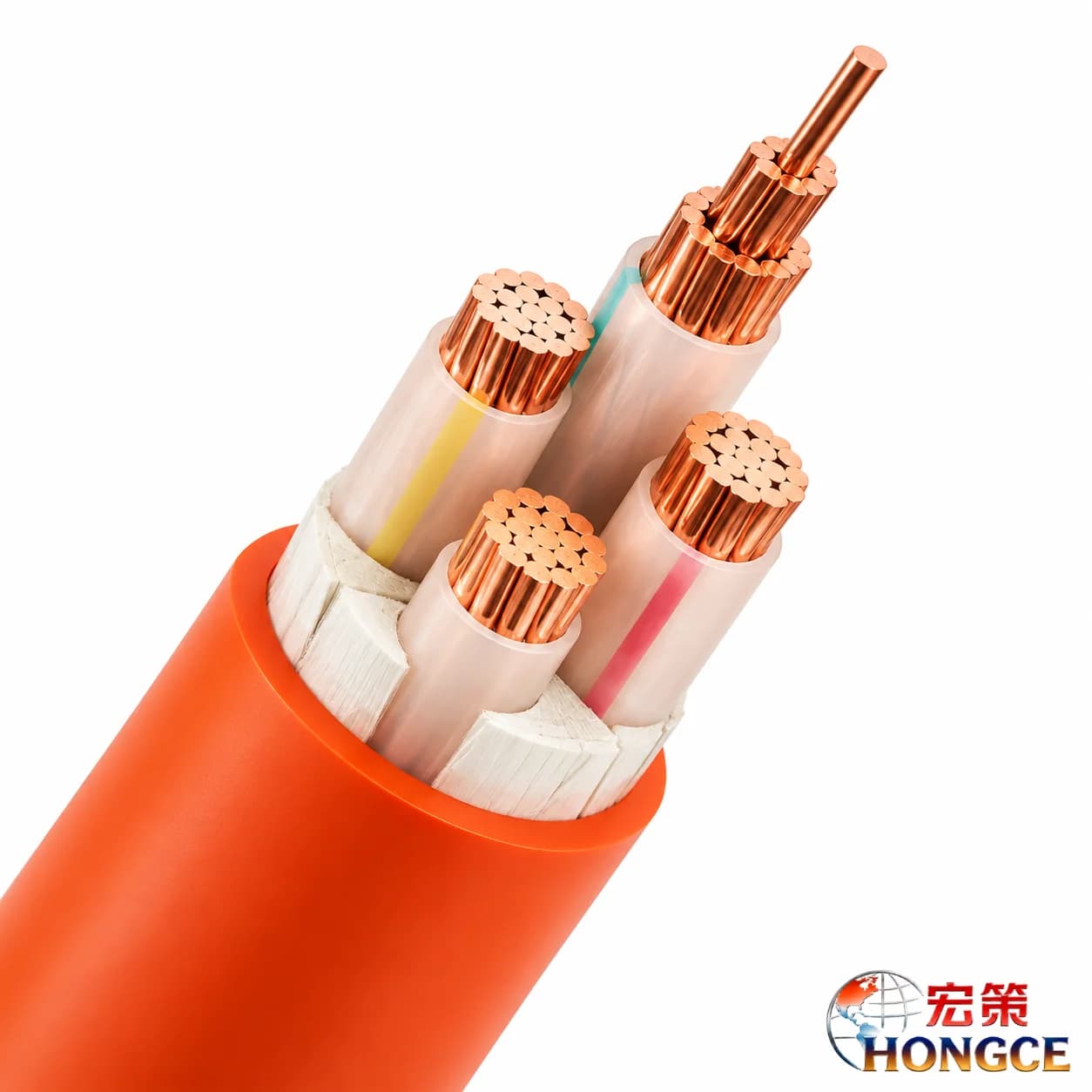
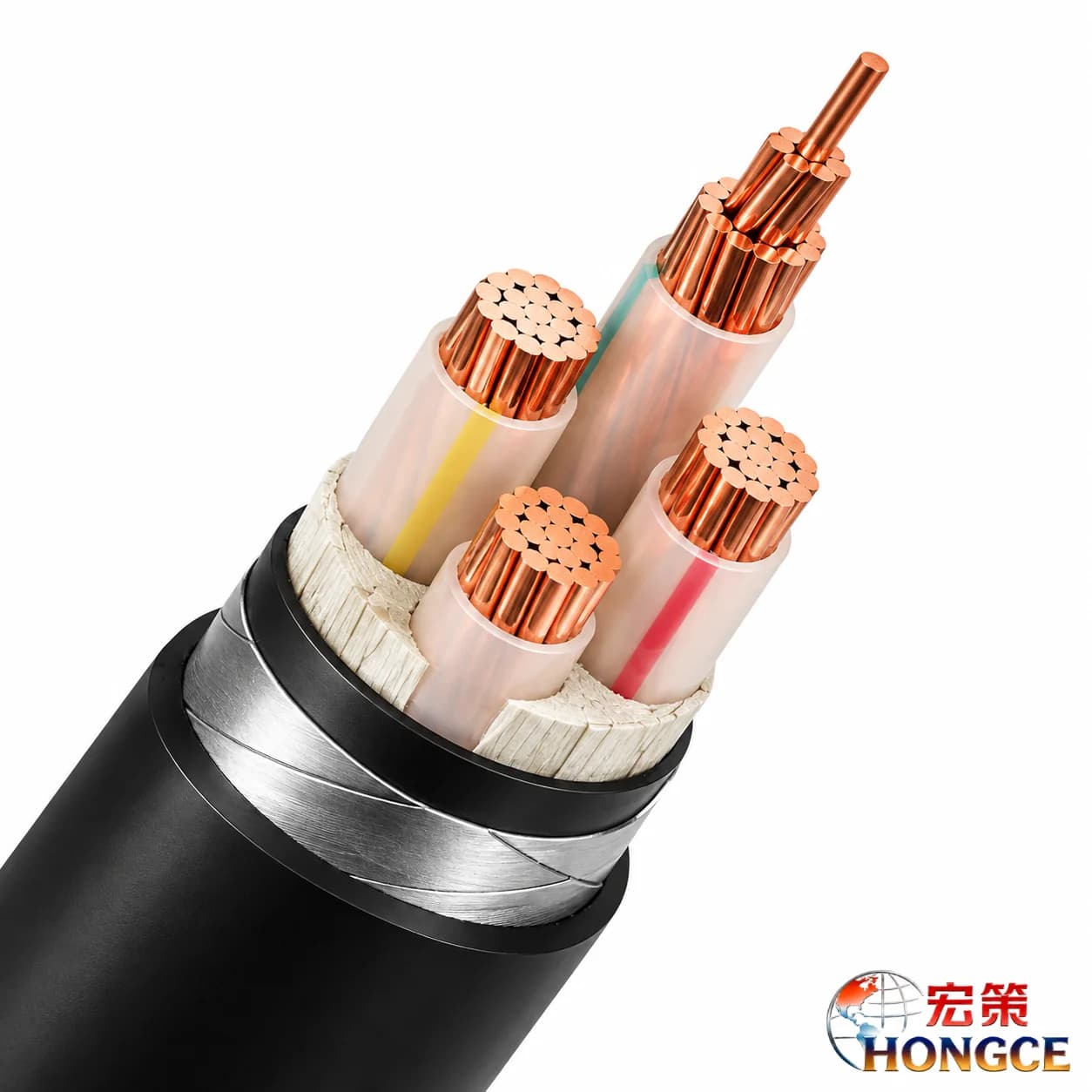
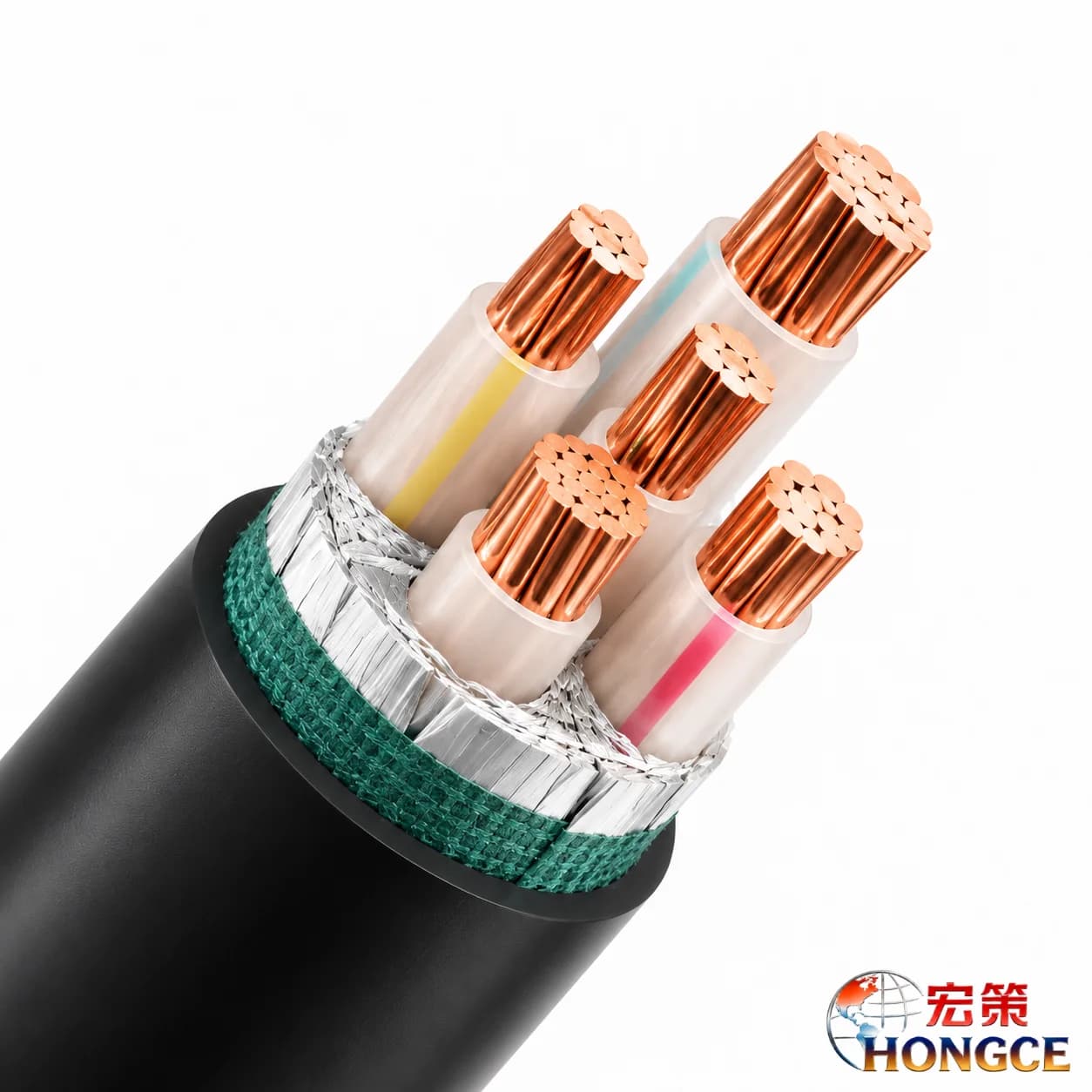
The physical installation environment dictates the cable structure. For direct burial or hazardous industrial environments, armored medium-voltage cables (such as the YJV22 series) offer essential mechanical protection. Conversely, for indoor cable trays, vertical shafts, and protected conduits, unarmored flame-retardant cables (like the WDZ-YJY models) provide the necessary flexibility and fire safety without unnecessary weight.
Why EPC Contractors Must Prioritize Certified Manufacturers
Using uncertified cables that have not been rigorously tested by authoritative third-party bodies (such as TUV or PSB) poses massive compliance risks. It can lead to severe project delays, failed site inspections, or even legal penalties. Furthermore, amidst the 2026 energy transition, supply chain stability is paramount. EPCs must partner with manufacturers who boast robust production capacities and in-house testing laboratories to guarantee project timelines.
Real-World Application: Securing Singapore Compliance via TUV Certification The importance of authoritative certification is best demonstrated through real-world execution. Recently, Zhejiang Hongce Cable Co., Ltd. partnered with a prominent trading company based in Ningbo, China. This trading company was contracted to supply electrical materials for a major engineering project in Singapore and specifically requested our high-performance WDZB-YJY flame-retardant cables.
Understanding the strict regulatory environment of the Singapore market, our facility proactively committed to the compliance process. We successfully completed rigorous testing and obtained the prestigious TUV certification. This critical milestone not only facilitated the transaction and ensured the Ningbo trading company could fulfill its contract, but it also guaranteed that the Singapore project was equipped with fully compliant, ultra-safe cabling infrastructure.
Zhejiang Hongce Cable Co., Ltd.: Your Trusted Partner for SS 299:2021 Compliant Cables
As a leading Chinese cable manufacturer,Zhejiang Hongce Cable Co., Ltd.brings extensive experience in industrial power transmission products to the Southeast Asian market.
Our core advantages include:
- In-House High-Standard Laboratories: We conduct comprehensive flame-retardant and fire-resistant testing on-site to ensure absolute batch stability.
- Comprehensive SS 299:2021 Product Lines: Our catalog covers everything from premium WDZ-YJY flame-retardant cables to XLPE low-and-medium voltage cables, and heavy-duty armored series.
- Proven Delivery Capabilities: We have a strong track record of customized production and rapid delivery for grid modernization projects across Indonesia, Malaysia, and Singapore.
Conclusion: Secure Your Next Singapore Infrastructure Project
Choosing the correct flame-retardant cables according to the SS 299:2021 standard is a non-negotiable aspect of engineering in Singapore. By prioritizing LSZH materials, CWZ-tested fire performance, and verifiable third-party certifications like TUV, you safeguard both your project's integrity and public safety.
Do not leave your next major project to chance. Partner with a manufacturer that possesses the experience, expertise, and proven track record to meet Singapore's most demanding electrical codes.
Contact Zhejiang Hongce Cable Co., Ltd. today at [sales@hongcecable.com] or visit hongcecables.com for a customized, fully compliant cable solution tailored to your next infrastructure project.
About the Author
Liangce Chi currently serves as Southeast Asia Market Analyst at Zhejiang Hongce Cable Co., Ltd. His work involves in-depth research covering power infrastructure construction across Southeast Asia, price trends of bulk commodities, and cross-border cable trade compliance. Combining insights from macroeconomic data with extensive hands-on cross-border trade experience, Liangce Chi goes beyond theoretical research and conducts on-site assessments of industrial manufacturing investment climates in Thailand, Vietnam, Indonesia and other Southeast Asian markets. Drawing on his professional work, he secured bulk orders from well-established Thai enterprises for Zhejiang Hongce Cable. This landmark achievement has laid a solid quantitative foundation for the company to further expand its market share of industrial building support cables in Thailand and the broader Southeast Asian region.